

TREND FOR

MINIATURIZATION

Why Is My Fuel Pump Not Working?

When the engine cranks but will not start, or suddenly loses power, a failing Fuel Pump may seem like the obvious cause. Yet the same symptoms can come from a weak battery, a blown fuse, a faulty relay, damaged wiring, or an empty tank. Listen near the fuel tank when turning the key to the “on” position; some pumps make a brief, quiet hum. No sound is a clue, not proof.

A careful diagnosis starts with the basics. Check the fuel level and consult the owner’s manual before inspecting the correct fuse or relay. A mechanic can measure fuel pressure and verify power at the pump, helping distinguish an electrical fault from a worn pump. Avoid replacing parts based on sound alone. It can happen. I have seen symptoms point one way while testing reveals another.

Pay attention to when the trouble occurs. Does the engine hesitate on hills, stall after warming up, or fail only after sitting overnight? These details can help a technician narrow down the cause. Do not open fuel lines or work around leaking gasoline without proper training and equipment; fuel is highly flammable. That matters. This guide explains common warning signs, likely causes, and sensible next steps, while keeping diagnosis grounded in checks rather than guesswork. If the car stalls in traffic or smells strongly of fuel, stop driving and arrange professional help.
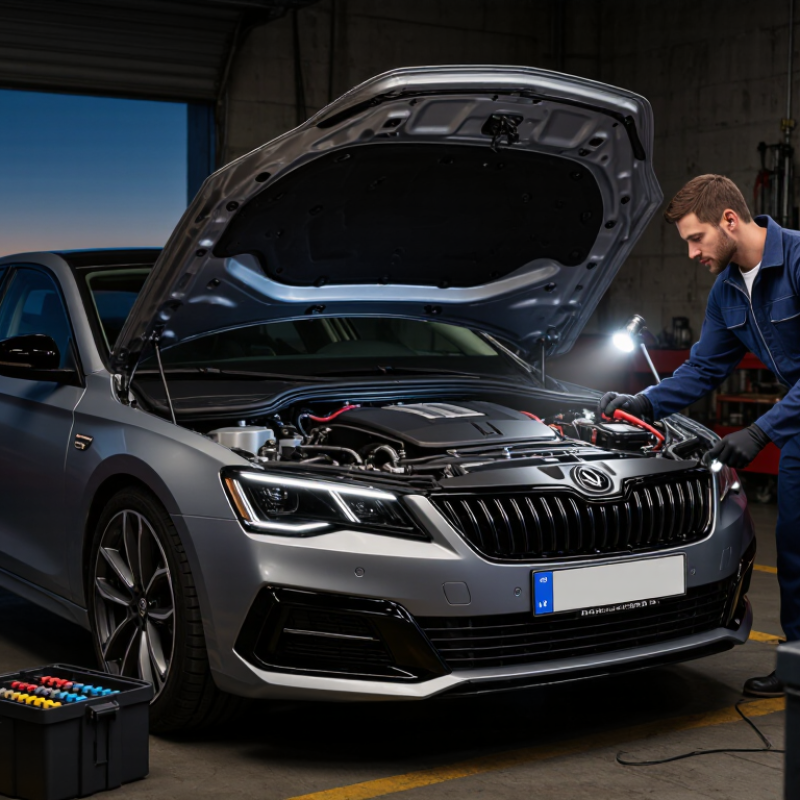
Why Is My Fuel Pump Not Working?

How the Fuel Pump Delivers Fuel to the Engine

A fuel pump does more than move gasoline from the tank. It draws fuel through a strainer, pushes it along the fuel line, and supplies the rail, where injectors meter it into the engine. Many port-injection systems operate near 3–5 bar, while gasoline direct-injection rails can reach roughly 200–350 bar, according to SAE International technical literature. That difference matters: a weak pump may cause low pressure, but a pressure fault can also come from a clogged filter, wiring problem, or regulator. The pump is not always the culprit.

When you turn the key, listen for a brief hum near the tank. No sound can suggest an electrical fault, though some vehicles prime quietly or only while cranking. A pump that runs may still deliver too little fuel. A mechanic can compare measured pressure and flow with the vehicle’s service specifications; guessing from engine symptoms alone is unreliable. The U.S. Department of Energy’s Alternative Fuels Data Center lists gasoline at about 120,000 Btu per gallon, so consistent fuel delivery is essential for controlled combustion. On the road, hesitation under acceleration or stalling may reflect poor supply, but those signs are not proof. High-pressure systems can retain dangerous pressure after shutdown. I would not loosen a fuel line to “check” it.

Why Is My Fuel Pump Not Working? - How the Fuel Pump Delivers Fuel to the Engine

Symptom Possible Cause What to Check How Fuel Delivery Works
Engine cranks but does not start No pump power, a failed pump, low fuel pressure, or another engine-management issue Check the fuel-pump fuse and relay, then test for power and ground at the pump connector while the pump is commanded on. Verify pressure against the vehicle’s service specification. On many vehicles, an electric pump in or near the tank sends fuel through the fuel lines toward the engine.
No pump sound when the ignition is switched on The pump may not be receiving power, or the pump itself may have failed. Some vehicles do not run the pump long enough for it to be easily heard. Listen near the tank during the brief priming period, but do not treat sound alone as a diagnosis. Check the electrical circuit and fuel pressure. The engine control system may briefly activate the pump at key-on and operate it while the engine is running.
Engine hesitates, surges, or loses power under load Fuel pressure or flow may be insufficient; a restricted filter or line can also contribute, depending on the vehicle’s design. Measure fuel pressure under the conditions specified in the service procedure. Check for restricted lines or filters and inspect pump-circuit voltage under load. The pump supplies fuel at a pressure and flow rate suited to the engine’s requirements; the correct values vary by vehicle.
The engine stalls and may restart after cooling An intermittent pump, electrical connection, relay, or wiring fault may be present. Test the circuit and fuel pressure when the fault occurs. Inspect connectors for looseness, corrosion, or heat damage. Fuel travels from the tank through the delivery system to the fuel rail or injection components; interruptions can cause the engine to stop.
Fuel pressure is below the specified range A weak pump, restricted supply, poor electrical supply, or a pressure-control fault may be responsible. Compare gauge readings with the manufacturer’s service specification and follow the prescribed tests before replacing parts. Fuel pressure must meet the engine’s specified requirements; there is no single pressure value that applies to every vehicle.
Pump fuse repeatedly blows A short circuit, damaged wiring, or an electrical component drawing excessive current may be present. Do not install a higher-rated fuse. Trace the circuit for shorts and test components using the vehicle’s wiring diagram. The fuse protects the pump circuit from excessive current; repeated failure indicates an electrical fault that needs diagnosis.

Safety: Fuel is highly flammable. Relieve fuel-system pressure and follow the vehicle’s service procedures before opening fuel lines. If you are unsure, have a qualified technician perform the tests.

Common Signs of a Fuel Pump Problem

A weak fuel pump may make an engine harder to start, especially after the car has been parked for several hours. The engine might crank longer than usual before catching. You may notice hesitation when accelerating, a sudden loss of power on hills, or stalling at low speeds. In some cases, the engine sputters as though it is briefly running out of fuel. Not always.

These signs can also come from a clogged fuel filter, ignition trouble, or low fuel. A single stall does not confirm a pump failure. Pay attention to when symptoms occur: under load, with a nearly empty tank, or after the engine warms up. A repair technician can check fuel pressure and electrical connections before replacing parts. Guessing can get expensive.

Tips: Note the fuel level and conditions when the problem appears. Avoid repeated long cranking, which can strain the battery. If the car loses power in traffic or stalls repeatedly, stop driving when it is safe and arrange an inspection.

Why Fuel Pumps Stop Working

Why Is My Fuel Pump Not Working?

Fuel pumps stop working through wear, restricted fuel flow, contamination, or electrical faults. A clogged strainer can make the pump work harder, while water or debris may damage internal parts. Repeatedly driving with very little fuel can also reduce cooling around an in-tank pump. That matters. But low fuel alone does not prove the pump has failed.

Age adds context, not certainty. S&P Global Mobility’s 2024 analysis reported that the average U.S. vehicle age had reached 12.6 years. Older vehicles may have worn pumps, corroded connectors, or tired wiring, but that figure is not a fuel-pump failure rate. The pump may be fine; a weak relay, poor ground, or damaged fuse can interrupt power. It is easy to blame the pump too quickly.

A mechanic should check fuel pressure and electrical supply before replacing parts. Listen for a brief hum near the tank when the ignition is switched on, but remember: silence is only a clue. A failing pump may also cause long cranking, engine hesitation, or stalling under load. If the car suddenly loses power, avoid repeated restart attempts and arrange a safe inspection. Don’t guess from one symptom.

How to Diagnose a Fuel Pump Failure Step by Step

Why Is My Fuel Pump Not Working?

A no-start condition does not automatically mean the pump has failed. Note whether the engine cranks, starts briefly, or loses power under acceleration. Check the fuel gauge too; a faulty sender can make the tank seem fuller than it is. Small details matter.

Listen closely. Turn the ignition on without cranking. Some pumps hum for a few seconds near the tank, but silence alone proves little: certain systems prime briefly or use different controls. Check the fuel-pump fuse and relay against the vehicle’s manual. Look for corrosion, loose connections, or a blown fuse that fails again. Do not install a higher-rated fuse. Scan for diagnostic codes, but treat them as clues, not a verdict.

Next, measure fuel pressure with the correct gauge and compare it with the service specification. Low pressure can point to a weak pump, restricted filter, poor wiring, or low voltage. A technician can test voltage and ground at the pump while it operates; a normal reading with low pressure narrows the fault. Fuel systems can retain pressure, and vapors ignite easily. Stay safe. Avoid sparks, hot work, and improvised tests around fuel. I would not condemn a pump from sound alone; pressure and electrical checks provide better evidence. If you lack the proper tools, have a qualified mechanic perform these tests.

Why Is My Fuel Pump Not Working?

Step-by-step fuel pump circuit checks during cranking

Example readings: The battery measures 10.6 V while cranking, but only 9.4 V reaches the pump’s positive feed relative to battery negative. That 1.2 V loss suggests excessive resistance in the power-side circuit. The pump-terminal voltage is 9.2 V, with a 0.2 V ground-side drop. Check the fuse, relay, connectors, wiring, and ground under load, then compare fuel pressure with the vehicle’s service specification. Readings and specifications vary by vehicle.

Repair and Replacement Options for a Faulty Fuel Pump

A failed fuel pump is only one possible cause of hard starting or sudden stalling. A technician can check battery voltage, fuses, wiring, and fuel pressure before recommending a repair. A pump that receives too little voltage may seem faulty, even when the pump itself still works. A faint hum is only a clue, not proof. Testing matters.

Some problems need a smaller repair. A damaged connector, corroded ground, blocked strainer, or faulty relay may be serviceable without replacing the pump. If pressure stays below the vehicle’s specified range, replacement may be the more reliable option. Many pumps sit inside the fuel tank, sometimes as part of a larger assembly. The correct approach depends on the vehicle’s design. Fuel systems can retain pressure, so depressurizing them according to service information is essential. A qualified technician can also inspect the tank for debris and fit new seals where required. After installation, pressure and electrical operation should be checked again. Even a careful diagnosis can miss an intermittent fault, so symptoms may need to be reassessed if they return.