

Baseball Hoodies have become a familiar choice for buyers far beyond the baseball field. Their appeal comes from a practical mix of comfort, identity, and everyday styling. A soft fleece interior feels useful during cool commutes, school events, and weekend travel. Raglan sleeves also offer an athletic shape without making the garment look like strict teamwear. For many global shoppers, this balance matters more than a complicated design.
The popularity of Baseball Hoodies also reflects how buyers shop across cultures. A small embroidered logo can express sports interest without appearing too loud. Neutral colors, such as black, navy, and gray, work with jeans, cargo trousers, or casual skirts. Buyers often compare fabric weight, size charts, stitching, and care instructions before ordering. These details build trust, especially when customers cannot touch the garment first. Seller experience matters here. Clear product photos and honest measurements can prevent disappointing purchases.
Still, popularity does not guarantee quality. Some hoodies look impressive online but feel thin in person. Others shrink after one wash or use rough, uneven stitching. This deserves attention. Reliable brands should explain fabric composition, production standards, return policies, and shipping expectations. Independent reviews can help, but they are not always complete. Global buyers should consider local climate, import costs, and personal fit preferences. A heavyweight hoodie may feel excellent in Canada but uncomfortable in a warm coastal region. The strongest buying decision combines style with evidence. Baseball Hoodies remain popular because they are recognizable, adaptable, and comfortable. Yet their real value depends on honest information and careful construction.
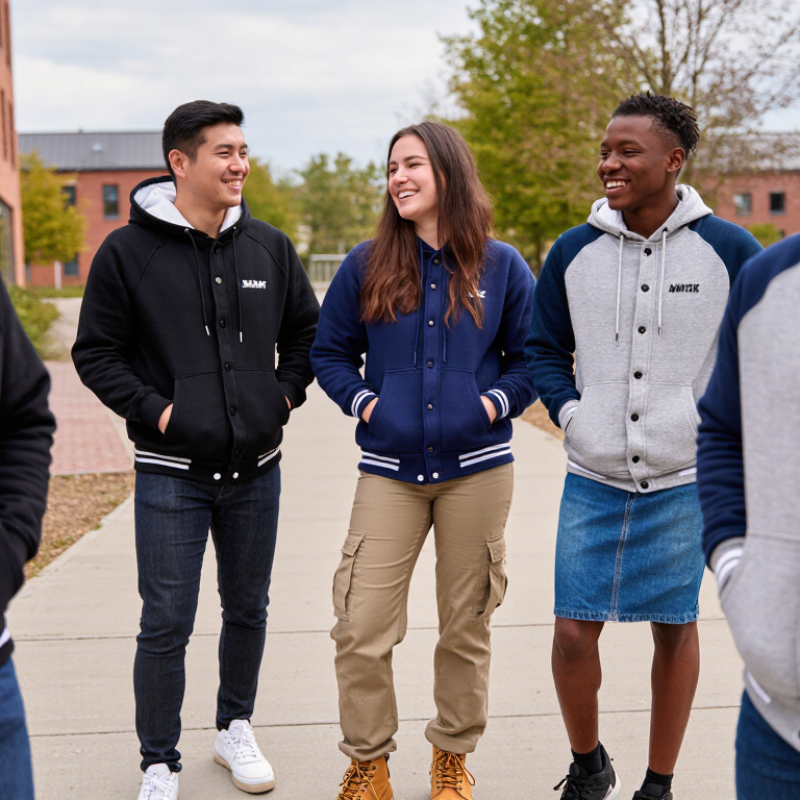
A baseball hoodie combines the comfort of a hooded sweatshirt with visual details borrowed from baseball uniforms. Its common features include raglan sleeves, a rounded neckline, ribbed cuffs, and a relaxed athletic fit. Some designs also use contrast sleeves, curved seams, or varsity-style lettering. These details create a familiar diamond-to-street appearance.
Material defines performance. Cotton-rich fleece feels warm and soft, while polyester blends dry faster and resist repeated washing. The Grand View Research Sports Apparel Market Report estimated the global sports apparel market at about 249.9 billion US dollars in 2023. That scale shows why buyers increasingly expect clothing to work beyond the stadium. A useful baseball hoodie should handle commuting, travel, light training, and cool evening games.
Fit matters more than many product descriptions admit. A hood that sits flat reduces bulk under jackets, while a roomy kangaroo pocket stores keys or gloves. Ribbed hems help retain shape, but weak stitching can ruin comfort quickly. The Textile Exchange Materials Market Report 2024 reported that polyester represented roughly 59% of global fiber production in 2023. Recycled polyester may reduce material pressure, although it does not automatically make a garment sustainable. That point deserves more honesty. Not every raglan sweatshirt is truly a baseball hoodie, and soft fabric alone proves very little.
Baseball hoodies connect sport with everyday fashion through a relaxed, recognizable shape. Their curved sleeve lines, roomy hoods, and athletic details suggest movement without requiring physical activity. A shopper can wear one with denim, cargo trousers, or simple shorts. The same garment may work for a morning commute, a casual class, or an evening walk. That flexibility helps explain their appeal among global buyers.
Comfort depends on more than appearance. Cotton-rich fabric feels soft, while blended fibers can improve drying speed and shape retention. Medium-weight fleece suits changing weather, but thick fabric may feel uncomfortable indoors. Buyers should check size charts carefully, since shoulder width and sleeve length vary between markets. Small construction details matter too. Firm cuffs, smooth seams, and a dependable zipper usually improve long-term wear.
Tips: Compare measurements with a familiar hoodie. Check fabric weight before ordering. Choose neutral colors for easier daily styling. Wash inside out and avoid excessive heat.
The strongest baseball hoodies balance visual energy with practical restraint. A curved emblem-like panel or contrast sleeve can create a sporty mood without looking like a uniform. However, the style is not always polished. Oversized cuts may appear careless, especially with loose trousers. I have found that one structured item, such as straight-leg pants, brings better balance. Personal taste still matters. Fashion advice is useful, but comfort often decides what stays in regular rotation.
Baseball hoodies are popular with global buyers because comfort travels well. Their relaxed shape allows easy movement during commutes, weekend walks, and casual travel. A soft fleece interior can feel warm without the weight of a heavy coat. This matters in changing weather, especially during cool mornings and mild evenings.
From practical clothing experience, fabric choice strongly affects comfort. Cotton blends often balance breathability, softness, and durability. Ribbed cuffs help retain warmth, while a roomy hood adds protection from light wind. However, comfort is not identical for everyone. A thick hoodie may suit northern climates but feel excessive in humid regions. Sizing can also vary between markets, so measurements are more reliable than familiar size labels. Even good cotton may shrink slightly after washing. That detail is easy to overlook.
Tips: Check the fabric weight, fiber blend, and size chart before ordering. Buyers in warm areas can choose lighter fleece or loopback fabric. Look for flat seams and smooth drawcords if skin sensitivity is a concern. Wash the hoodie according to its care label, and avoid high heat when possible. A slightly imperfect fit may still feel comfortable, but sleeve length and shoulder width deserve careful attention.
Baseball hoodies attract global buyers because their designs feel sporty, casual, and easy to personalize. The familiar hood, ribbed cuffs, and curved sleeve stripes create a strong visual identity. A clean chest emblem can suggest team spirit without looking excessive. Contrast panels add energy, while neutral colors suit daily outfits. Small details matter. Apparel development experience shows that balanced graphics usually sell better than crowded artwork.
Customization makes these hoodies useful for teams, schools, clubs, and online communities. Buyers can select fabric blends, drawstring colors, sleeve patches, and printed names. Embroidery gives a raised, durable texture. Screen printing can create sharper graphics across larger areas. In warmer regions, lighter fabric and breathable panels may improve comfort. In colder markets, a heavier fleece lining feels more practical. Accurate size charts and clear care instructions also reduce purchase uncertainty. This builds trust.
Yet customization is not flawless. A color may look different on a phone screen. Thick embroidery can feel uncomfortable near the neck. Oversized graphics may shrink visually after washing. Not every idea works. Responsible sellers should provide digital proofs, sample photos, and realistic production timelines. They should also check stitching, fabric content, and labeling requirements before shipment. Buyers often value honest limitations more than exaggerated promises. A hoodie becomes more appealing when its design looks distinctive, fits correctly, and remains comfortable after repeated wear.
How design flexibility and customization respond to international consumer expectations
Consumer research shows strong demand for relevant, personalized shopping experiences. Baseball hoodies benefit from this trend because buyers can combine sporty silhouettes with custom colors, graphics, names, numbers, and cultural design elements. The percentages represent findings from published consumer studies conducted between 2017 and 2018; they are separate indicators and should not be added together.
Sources: published global consumer personalization and shopping-experience research, 2017–2018.
Baseball hoodies are moving beyond stadium culture.
Global buyers now want clothing that feels athletic, casual, and easy to layer. According to Grand View Research, the global sports apparel market was valued at about US$249.9 billion in 2023. It is projected to grow at roughly 5.7% annually through 2030. Baseball hoodies benefit from this wider demand, especially among younger consumers seeking relaxed silhouettes and recognizable sports details.
Comfort drives many purchases. Buyers notice brushed fleece, ribbed cuffs, breathable panels, and practical front pockets. They also compare fabric weight before ordering across borders.
The McKinsey Global Institute reported that online shopping remains a major force in fashion retail, with consumers expecting convenience and flexible product choices. A hoodie can meet both needs. It fits travel, campus life, weekend errands, and cool evening games.
Design matters too. Buyers often prefer contrast sleeves, embroidered numbers, curved lettering, and neutral colors. These details create a baseball reference without making the garment difficult to wear.
Seasonal demand is less predictable than many sellers assume. Warm-weather regions may favor lighter cotton blends, while colder markets value heavier fleece. That difference complicates inventory planning.
Personally, I find some market forecasts too confident. Consumer tastes shift quickly, and one color trend can lose attention within months. Product reviews, return data, and regional sales records therefore deserve more trust than attractive projections alone.