What Is a Rounders Set and What Does It Include?
Please provide the article or a verifiable Rounders Set expert’s name and quotation. No source was included, so I can’t responsibly invent an expert attribution or quote.
What a Rounders Set Is and How It Is Used
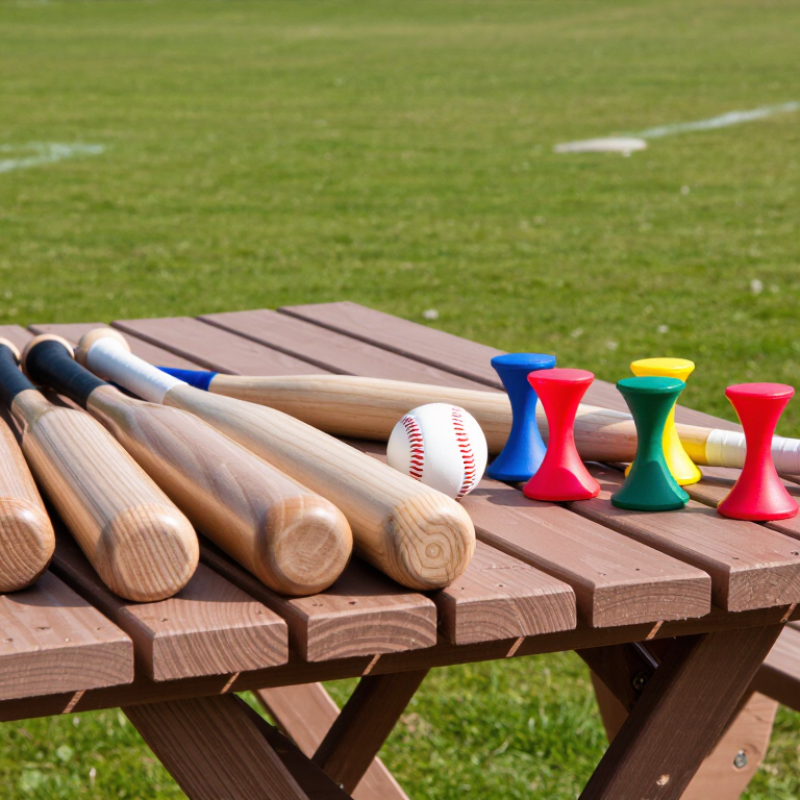
A rounders set is a collection of equipment used to play rounders, a bat-and-ball game played between batting and fielding teams. Most sets include bats, balls, and four posts or markers for the bases. Some also come with a carry bag or extra balls. The exact contents can vary, so check what is included before a session.
The posts mark the route players run after hitting the ball. They are placed around the playing area, with a batting square and a bowler’s area nearby. A batter uses the bat to hit a ball delivered by the bowler, then runs between posts while fielders try to retrieve the ball. Clear, visible markers help players judge where to run and where to stand. On grass, lightweight posts can lean or shift. Someone may need to reset them.
A set is useful for school lessons, club practice, or a casual game in a park, provided there is enough open space. Before play, check that bats are comfortable to hold and balls suit the players’ age and skill. Softer balls can make practice feel less intimidating, though they may behave differently when hit. That detail is easy to overlook. Posts should be spaced consistently, and players need room to swing without crowding one another. A basic set can support a full game, but it does not replace agreed rules or sensible supervision.
What Is a Rounders Set and What Does It Include? — What a Rounders Set Is and How It Is Used
A rounders set is a collection of basic equipment used to play rounders. Sets vary, but they commonly provide bats, balls and markers for the bases. The playing area and rules determine how the equipment is arranged and used.
| Equipment | Typical quantity | What it is | How it is used | Set or game note |
| Rounders bat | One or more | A lightweight bat designed for striking the ball. | The batter uses it to hit a ball delivered by the bowler and then attempts to run around the bases. | Sets may include different numbers of bats. Players should use a bat suited to their age and ability. |
| Rounders ball | One or more | A small ball suitable for batting and throwing. | The bowler delivers it to the batter; fielders catch or retrieve it and return it to the fielding side. | Ball size and construction can vary by age group, competition and playing conditions. |
| Base markers or posts | Usually four for a full pitch | Visible markers that identify the bases around the playing area. | Players run around the bases in sequence after hitting the ball. Fielders use the marked bases as reference points during play. | Some sets include posts; others include flat markers. The bases can also be marked with suitable field equipment. |
| Carry bag | One, if supplied | A storage bag for carrying and keeping the equipment together. | Used to transport and store the bats, balls and markers between games. | A carry bag is a convenient accessory, but it is not required to play rounders. |
| Pitch layout | One playing area | The marked space where the batting, bowling and fielding take place. | Players arrange the bases and playing area according to the rules being used, leaving clear space for running and fielding. | The pitch is generally set up on a suitable open surface; its dimensions may vary with the rules and level of play. |
In short: The essential equipment is a bat, a ball and clearly identified bases. Check what is included in a particular set, since quantities and accessories vary.
The Main Equipment Included in a Rounders Set
A typical rounders set includes a bat, a ball and four posts or bases. The bat is usually made from wood or lightweight plastic, with a grip that helps players hold it securely. It should feel comfortable in the batter’s hands, not overly heavy. The ball is often firm enough to travel across a field but easy to see during play. Some sets use a softer ball for younger players. Check its size and firmness before a game. Small differences matter.
The four posts mark the scoring bases and help players judge where to run. Depending on the set, they may be flexible poles, flat markers or sturdier bases. A carry bag is sometimes included, which makes moving and storing the equipment easier. Boundary cones may also be supplied, though many sets leave these out. Sets are not always identical, so check the contents rather than assuming every accessory is included. Before playing, make sure the posts stand securely and the bat has no cracks or rough edges. A missing marker can disrupt a game. It happens.
What Is a Rounders Set and What Does It Include?
An example set may include two bats, two balls, and four posts. Equipment and quantities vary between sets; four posts are used to mark the bases on a rounders pitch.
Bats and Balls: Materials, Sizes, and Roles
A rounders set pairs a bat with a lightweight ball, but their dimensions and feel shape every play. Rounders England’s official rules specify a bat no longer than 46 cm and no wider than 17 cm at its widest point. The rules also give a ball circumference of 18–20 cm and a weight of 70–80 g. Check the rule version used by your school or league, since equipment requirements can vary.
Bats are commonly made from wood or molded plastic. Wood feels firm on contact, while plastic is often lighter for younger players. Balls usually have a stitched or molded outer cover around a resilient core. The batter uses the bat to send the ball into open space; the bowler delivers it, and fielders try to catch or return it quickly. A smooth, dry grip helps control the swing. Small details matter. I still find it easy to overlook how a worn handle can twist in the hands.
Tips: Match bat weight to the player, not just their height. Practise with the actual ball, because a heavier or slicker surface can change timing. Check for cracks, loose seams, and slippery grips before play.
Bases, Posts, and Markers for the Playing Area
A rounders set helps define the bases and playing area, not just the equipment players hold. Many sets include four upright posts, which mark the bases runners travel around. Some also provide flat bases, cones, or ground markers for outlining the batting area and boundaries. Contents vary, so check whether the set includes both posts and markers before you buy.
Tips: Place posts on firm, level ground and leave clear space between them. Use bright markers that players can spot from a distance. Check that each post stands securely; a wobbly one can shift during play. Small detail, big difference.
Before play, walk the layout and make sure each base is easy to reach without crossing another player’s path. Use flat markers for areas that should not become trip hazards, especially on grass or hard surfaces. Markers can also help younger players understand where to wait or bat. A neat setup is useful, but it is not always perfect: uneven ground may move a marker, so check the positions again after warm-ups. Follow the dimensions used by your school or group, since layouts can differ.
Optional Accessories and Variations Between Sets
Optional accessories can make a rounders set easier to use, but they are not essential for every game. A basic set typically contains a bat, ball, and four posts. Extra balls help when one rolls beyond the playing area, while cones can mark boundaries on grass without permanent posts. A carry bag keeps small pieces together. Handy after a wet session.
Sets vary in post design, ball firmness, and bat material. Lightweight plastic posts suit school fields and pack away quickly; sturdier posts may stay put better on soft ground. Some kits add scorecards or spare bases, although these can be improvised with paper and cones. Rounders England’s official rules provide a useful reference for standard play, but casual groups often adapt equipment to their space and players.
That flexibility matters in schools and community settings. Sport England’s Active Lives Children and Young People Survey reported that 47.8% of children and young people met its activity threshold in 2022–23, highlighting the value of accessible, enjoyable games. A kit with softer balls can suit younger beginners, while older players may prefer a firmer ball and a heavier bat. Check post stability and bat length before buying; advertised “complete” sets do not always include useful extras. Some accessories are overkill. The best choice depends on the ground, group size, and how often the kit will travel.