

TREND FOR

MINIATURIZATION

What Is an Electric Rickshaw and How Does It Work?

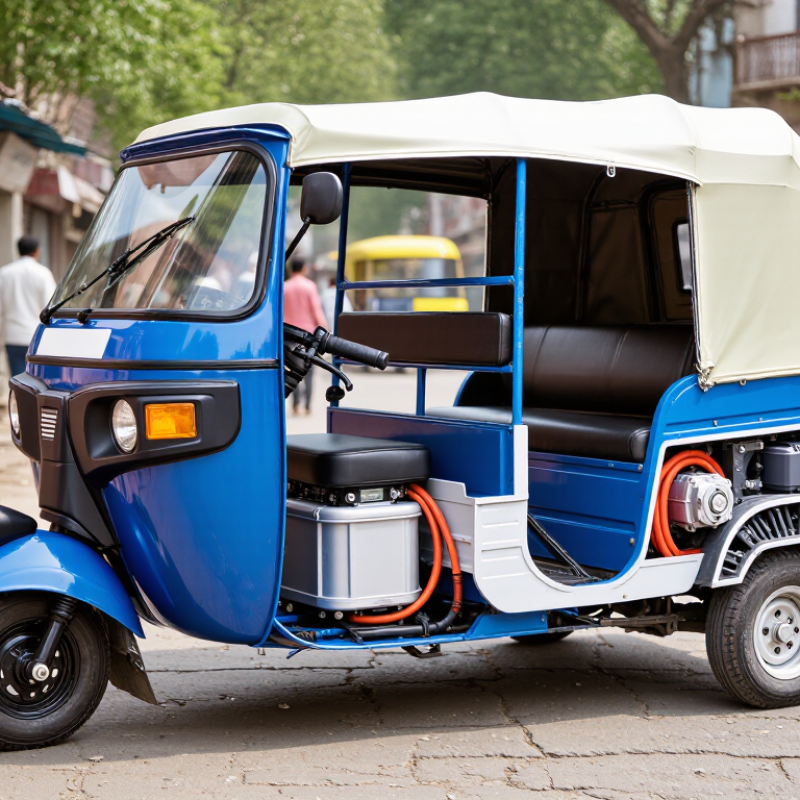
An Electric Rickshaw is more than a small three-wheeled vehicle. It is a practical transport system built around a battery, electric motor, controller, and charging unit. Unlike a petrol rickshaw, it produces no tailpipe emissions during operation. This makes it attractive for crowded streets, short commutes, and neighborhood deliveries.

Professor Ashok Jhunjhunwala, a respected Indian electric-mobility researcher, has said, “Electric mobility is not simply replacing engines; it is redesigning transportation.” His observation explains why an Electric Rickshaw deserves careful study. The battery stores electrical energy, while the controller regulates power sent to the motor. When the driver presses the accelerator, the motor turns the wheels through a simple drivetrain. Many models use lithium-ion batteries, although lead-acid packs remain common because of their lower purchase cost.

The details matter. A typical vehicle may travel 80 to 150 kilometers on one charge, depending on battery size, passenger weight, road slope, speed, and weather. Charging can take several hours. Battery performance also declines with age, heat, poor charging habits, and irregular maintenance. Real life is less tidy than a product brochure suggests. Some operators may underestimate electricity costs or ignore brake and tire inspections. Safe charging, certified components, trained technicians, and responsible battery recycling improve reliability. This guide will examine how an Electric Rickshaw works, what its main parts do, and where its environmental and economic benefits may have limits. Small machine. Serious engineering.
What Is an Electric Rickshaw and How Does It Work?

Electric Rickshaw: Definition and Main Components

What Is an Electric Rickshaw and How Does It Work?

An electric rickshaw is a compact three-wheeled vehicle powered by electricity instead of petrol or diesel. It usually carries passengers or light goods across short urban routes. Its main components include a rechargeable battery, electric motor, controller, charger, throttle, brakes, and a steel or aluminum frame. The battery stores electrical energy and sends it to the controller. The controller regulates current, while the motor turns that energy into wheel movement. Simple in theory.

The throttle controls speed through a handlebar or foot-operated input. Braking systems may combine mechanical brakes with electronic power cut-off protection. A differential or reduction gearbox can help the motor deliver torque at low speeds, especially on crowded streets or gentle slopes. The charger connects to a standard electrical supply and manages the battery’s charging cycle. Battery condition matters greatly. Heat, deep discharge, poor charging habits, and heavy loads can reduce performance. Small details matter.

In practical use, drivers should check tire pressure, brake response, cable connections, and unusual motor noise before operating. A loose terminal can cause intermittent power, which is easy to mistake for a motor failure. Range also varies with passenger weight, road surface, weather, driving habits, and battery age. Manufacturers often publish useful specifications, but real-world results may differ. That gap deserves honest attention.

How the Electric Motor and Battery System Work

An electric rickshaw uses a battery-powered motor instead of a fuel engine. The battery stores direct-current electricity, while a controller regulates how much power reaches the motor. When the driver twists the throttle, the controller responds within milliseconds. It sends current through the motor windings, creating magnetic force and rotation. A reduction gear or differential transfers this motion to the wheels. The result is steady movement with less mechanical noise.

Battery capacity affects distance, but it is not the only factor. Passenger weight, road slope, tire pressure, wind, and driving speed also change energy use. A battery management system monitors temperature, voltage, and charging conditions. It helps prevent overheating and excessive discharge. Still, no system is perfect. A neglected battery may lose range earlier than expected, especially in heat or cold. Real-world testing matters more than a simple capacity number.

Tips: Charge the battery in a dry, ventilated area. Check tire pressure weekly. Avoid carrying loads beyond the vehicle’s rated limit. Watch for unusual heat, swelling, or a sudden range drop. Stop using the battery if these signs appear. Gentle acceleration usually improves efficiency. However, regenerative braking is not available on every electric rickshaw, so do not assume braking will fully recharge the battery. Regular inspections of cables, connectors, and motor sounds can reveal small problems before they become expensive repairs.

Step-by-Step Process of Operating an Electric Rickshaw

What Is an Electric Rickshaw and How Does It Work?

Operating an electric rickshaw begins before the motor moves. Walk around the vehicle and inspect the tires, mirrors, lights, and visible cables. Check that the battery indicator shows enough charge for the planned trip. Make sure the parking brake is engaged. Sit centrally, adjust the mirrors, and fasten the seat belt if provided. Keep passengers seated before releasing the brake.

Turn the key or press the power control, depending on the vehicle’s design. Watch for the dashboard power symbol. Keep one hand on the steering handle or wheel. Release the parking brake slowly, then apply gentle pressure to the accelerator. The vehicle should move smoothly, not jerk forward. Use short steering movements in narrow lanes. Check mirrors before turning, and signal early. Electric motors respond quickly.

Smooth control matters most.

Reduce speed before corners, crossings, and uneven surfaces. Use the service brake gradually, especially when passengers are standing or carrying small packages. Avoid sudden acceleration on wet roads because traction can change without warning. My practical caution is simple: beginners often watch the road ahead but forget the left side clearance. Leave extra space near walls and parked vehicles. When stopping, release the accelerator, apply the brake, select neutral if available, and engage the parking brake. Turn off the power before leaving the driver’s seat.

What Is an Electric Rickshaw and How Does It Work? - Step-by-Step Process of Operating an Electric Rickshaw
Step System or Stage What the Driver Does How It Works
1 Vehicle Overview Identifies the vehicle as a battery-powered three-wheeler designed to carry passengers or goods. An electric rickshaw uses electrical energy instead of an internal-combustion engine. Its main systems normally include a rechargeable battery, motor, motor controller, charger, brakes, steering system, and low-voltage controls.
2 Pre-Drive Inspection Checks the tires, mirrors, lights, horn, brakes, battery connections, charging cable, and visible wiring. A basic inspection helps identify low tire pressure, loose connections, damaged cables, or faulty safety equipment before the vehicle moves.
3 Battery Status Confirms that the battery has sufficient charge for the planned journey and that the battery indicator is operating normally. The battery stores direct-current electrical energy. A battery-management system may monitor voltage, temperature, current, and state of charge to help protect the battery.
4 Starting the Vehicle Sits in the driver’s position, applies the parking brake if fitted, turns on the main switch, and uses the key or start control. The control system connects the battery to the vehicle electronics. Unlike a petrol engine, an electric motor does not require fuel combustion or engine idling to remain ready.
5 Selecting Direction Selects forward or reverse using the direction switch or gear selector, following the vehicle’s operating instructions. The direction control signals the motor controller, which changes the electrical switching sequence used to rotate the motor in the selected direction.
6 Accelerating Releases the parking brake when safe and gradually twists or presses the accelerator control. The accelerator sends a control signal to the motor controller. The controller regulates current from the battery to the motor, producing torque at the driven wheel or axle.
7 Steering and Speed Control Uses the handlebar or steering wheel to guide the vehicle and adjusts the accelerator according to road, passenger, and traffic conditions. The steering mechanism changes the direction of the front wheel or wheels. Vehicle speed depends mainly on motor torque, controller settings, load, road gradient, and battery condition.
8 Braking Releases the accelerator and applies the service brake smoothly, using the parking brake only when stopped or parked. Mechanical or hydraulic brakes create friction to slow the wheels. Some electric rickshaws may also use regenerative braking, which converts part of the vehicle’s motion into electrical energy during deceleration.
9 Stopping and Parking Brings the rickshaw to a complete stop, selects neutral or the recommended parked setting, applies the parking brake, and switches off the system. Disconnecting the drive command prevents the motor from receiving traction current. Parking on level ground and securing the vehicle reduces the risk of unintended movement.
10 Recharging Parks in a dry, ventilated location, switches the vehicle off, checks the charger and socket, and connects the charger according to the operating manual. The charger converts AC electricity from the power outlet into the voltage and current required by the battery. Charging should stop when the charger indicates completion or the battery reaches its specified limit.
11 Routine Maintenance Checks tire pressure, brake performance, steering movement, lights, fasteners, battery terminals, and charging equipment at regular intervals. Although an electric drivetrain has fewer moving parts than a combustion drivetrain, tires, brakes, suspension, steering components, connectors, and the battery still require inspection and servicing.
12 Safe Operation Carries only the permitted load, keeps passengers seated, follows local traffic laws, avoids water exposure, and does not use damaged charging equipment. Excess weight, unsafe charging, poor tire condition, and wet or damaged electrical components can increase stopping distance, reduce stability, or create electrical and fire hazards.

Charging, Range, and Energy Management

An electric rickshaw uses a battery, motor, controller, and charging system instead of a combustion engine. Power flows from the battery to the controller, which regulates torque at the motor. Many models use lithium-ion batteries because they store more energy in less space. The International Energy Agency’s Global EV Outlook 2024 reports that electric two- and three-wheelers represent a major share of global electric vehicle use. Their popularity comes from lower running costs and frequent urban trips.

Charging usually takes six to eight hours with a standard AC charger, although higher-power systems can reduce this time. A practical range may reach 80 to 150 kilometres per charge. However, passenger weight, hills, traffic, tyre pressure, and air-conditioning can reduce it sharply. A claimed 120-kilometre range is not a daily promise. Real streets are messier. The ICCT’s research on electric mobility also shows that energy consumption rises when vehicles carry heavier loads or operate in stop-and-go traffic. Smart energy management limits harsh acceleration, captures some braking energy, and protects the battery from deep discharge.

Tips: Charge before the battery falls below 20 percent. Keep tyres correctly inflated. Record kilometres, payload, and charging time for one week. That simple log reveals real efficiency. Avoid charging in extreme heat when possible, and use the charger recommended by the vehicle maker. Battery ageing is easy to overlook. After several years, reduced capacity can change route planning, even when the rickshaw still drives normally.

Safety Features, Benefits, and Common Uses

What Is an Electric Rickshaw and How Does It Work?

An electric rickshaw uses a rechargeable battery to power an electric motor. A controller regulates energy from the battery to the motor. The driver uses a throttle, while the motor turns the wheels through a simple drive system. Many models recharge from a standard electrical outlet, although charging time depends on battery size and charger capacity. The design is usually compact, with a covered passenger area and space for short urban trips.

Safety Features, Benefits, and Common Uses

Useful safety features include headlights, brake lights, mirrors, turn signals, a horn, and strong mechanical or hydraulic brakes. Some vehicles include seat belts, protective frames, speed controls, and battery temperature monitoring. These features matter on crowded streets, where pedestrians, bicycles, and uneven surfaces create daily risks. Operators should inspect tire pressure, brake response, steering, and battery connections before each shift.

Electric rickshaws produce no exhaust emissions while driving and usually make less noise than fuel-powered vehicles. They can reduce local air pollution and running costs, especially on short routes. Still, their total environmental benefit depends on electricity sources, battery production, and proper recycling. Range also falls with heavy loads, steep roads, cold weather, or frequent stops. Common uses include neighborhood transport, school or campus shuttles, market deliveries, tourism, and last-mile connections near transit stations. They are practical, but not perfect.