Ultimate Guide to Choosing the Best Glass Door Freezers?
In the competitive landscape of commercial refrigeration, Glass Door Freezers play a vital role. These freezers are preferred for displaying products while maintaining visibility. According to industry reports, the commercial refrigerator market is projected to grow significantly, reaching $38 billion by 2025. This growth emphasizes the importance of choosing quality refrigeration solutions.
Choosing the right Glass Door Freezers can be challenging. Many businesses overlook key factors like energy efficiency and capacity. A poorly chosen freezer may lead to increased operational costs and lost sales opportunities. Businesses should consider the specific needs of their establishment. For instance, a small café may not need the same size as a large supermarket.
Moreover, the design and layout of Glass Door Freezers can affect customer experience. Customers appreciate seeing products clearly. However, storage space and accessibility should not be compromised. Reflecting on these points can help businesses make informed decisions. A well-selected freezer can enhance visibility and improve sales, but many still take their choices lightly.
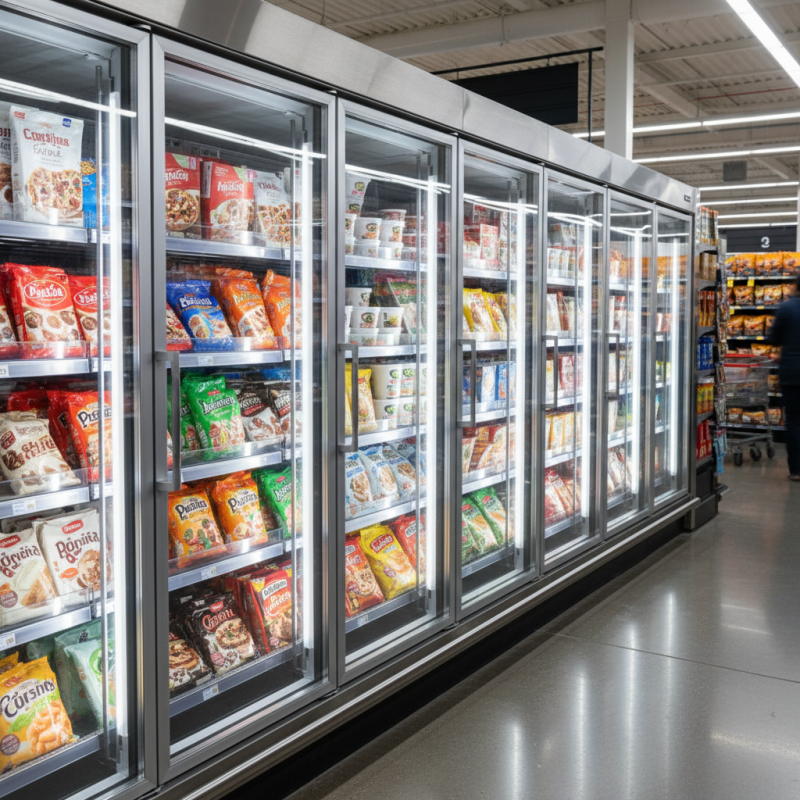
Understanding the Importance of Glass Door Freezers in Commercial Settings
Glass door freezers are vital in commercial settings. They provide efficient storage and easy accessibility. Customers appreciate seeing products without opening doors. This visibility can increase sales. In restaurants, retail, or grocery stores, these freezers keep items fresh.
When selecting a glass door freezer, consider size and layout. Measure your space accurately. Think about the products you want to display. Ensure the freezer fits your needs. A poorly chosen size may cause clutter or restrict movement.
Tip: Maintain the cleanliness of glass doors. Smudges and dirt can block visibility. Regularly clean the surfaces to showcase products attractively.
Also, think about energy efficiency. Glass door freezers can consume significant power. Look for models with good insulation and energy-saving features. High energy costs can hurt your bottom line. Balancing cost and functionality is crucial for long-term success.
Energy Efficiency of Glass Door Freezers
This bar chart illustrates the annual energy consumption of different glass door freezer models in commercial settings. Understanding energy efficiency is crucial for businesses aiming to reduce operational costs while maintaining effective refrigeration solutions.
Key Features to Look for When Choosing a Glass Door Freezer
When choosing a glass door freezer, consider its size. Measure your available space carefully. You don't want a freezer that overwhelms the room. A compact model might suit smaller areas better. Also, think about the storage capacity. A larger freezer can hold more products, but it may consume more energy.
Energy efficiency is another key feature. Look for models with good insulation. This helps maintain a consistent temperature. By doing so, you can reduce energy costs over time. Additionally, consider the internal layout. Adjustable shelves can accommodate various items. Baskets or compartments help keep things organized. Reflect on how you typically use the freezer.
Glass quality matters too. Tempered glass offers better insulation and durability. Make sure the door opens smoothly and seals well. Poor seals can lead to temperature fluctuations. This can affect food quality. Evaluate noise levels as well. A quiet model provides a better environment. Balancing these factors can be tricky. You may find yourself reconsidering your options several times.
Comparing Different Types of Glass Door Freezers for Your Needs
When selecting a glass door freezer, it’s essential to understand the different types available. There are upright, chest, and display models, each serving distinct needs. A report by the Refrigeration Institute indicates that upright models are more energy-efficient compared to chest freezers, using about 10-20% less energy on average. This efficiency can lead to significant savings over time, especially for businesses with high energy costs.
Upright glass door freezers provide visibility and accessibility. They typically feature adjustable shelving, making it easier to organize products. Display models, on the other hand, allow for better merchandising. According to a study by the Cold Storage Association, retail space equipped with glass door freezers can increase impulse purchases by up to 35%. This data points to the importance of choosing the right type for your specific context.
Reflecting on the less obvious aspects, consider door strength and fogging issues. Many glass door freezers tend to fog up under certain temperature conditions. This can hinder customer visibility and reduce sales. Also, durability varies among models, with some designs unable to withstand heavy use in busy environments. Ultimately, weighing these factors is crucial to making an informed decision and addressing potential challenges.
Energy Efficiency and Performance: What to Consider
When selecting a glass door freezer, energy efficiency is critical. Look for models with a high energy star rating. These units consume less energy over time. A unit with LED lighting can also improve visibility while using less power. Poor insulation, however, can lead to higher costs. Check the seals on the door. If they are worn out, consider repairs or replacement.
Performance is equally vital. The freezing capacity should meet your needs. A unit that struggles to maintain temperature can spoil your stock. Look for options with digital temperature controls. They provide accurate readings and allow adjustments. Pay attention to the defrosting method as well. Manual defrosting can be a hassle, while automatic systems save time.
Many users overlook the size factor. An overly large unit can lead to wasted space and energy. Conversely, a small one may not suffice for your inventory. It's essential to strike a balance. Factor in installation space and airflow needs as well. Remember, a well-chosen freezer can enhance your efficiency but may require regular maintenance. Be mindful of these factors to make an informed choice.
Maintenance Tips for Keeping Your Glass Door Freezer in Top Shape
Maintaining a glass door freezer is crucial for optimal performance. Regular checks can prolong its lifespan and efficiency. According to industry data, over 30% of commercial freezers fail due to improper maintenance. Ensuring your unit operates effectively saves on energy costs too. This could be around 20% of your monthly energy bill, depending on usage.
Start with regular cleaning. Dust and debris can block airflow, hindering performance. Clean the condenser coils at least once a month. For optimal operation, keep the temperature around -10°F. Inconsistent temperatures can lead to spoilage and increased energy consumption. Consider tracking the temperature with a reliable tool.
It’s essential to inspect door seals. Worn seals can lead to cold air escaping. Test them by placing a piece of paper in the door. If you can pull it out easily, the seal may need replacement. This issue is often overlooked but can significantly impact efficiency. A small detail, but one that requires attention. Regular check-ups on these elements will enhance the durability of your glass door freezer.