Top Electric Forklift Battery Options for Global Buyers?
In today's competitive market, choosing the right Electric Forklift Battery is crucial for warehouse efficiency. The demand for electric forklifts continues to grow, driven by sustainability and cost-effectiveness. However, selecting the best battery option can be overwhelming for global buyers.
Many variables influence battery performance. Factors like lifespan, charging time, and maintenance are key. Some buyers may overlook important specifications. This can lead to regrets later. Expert insights can help navigate the complexities of battery technology. A wrong choice could result in higher operational costs.
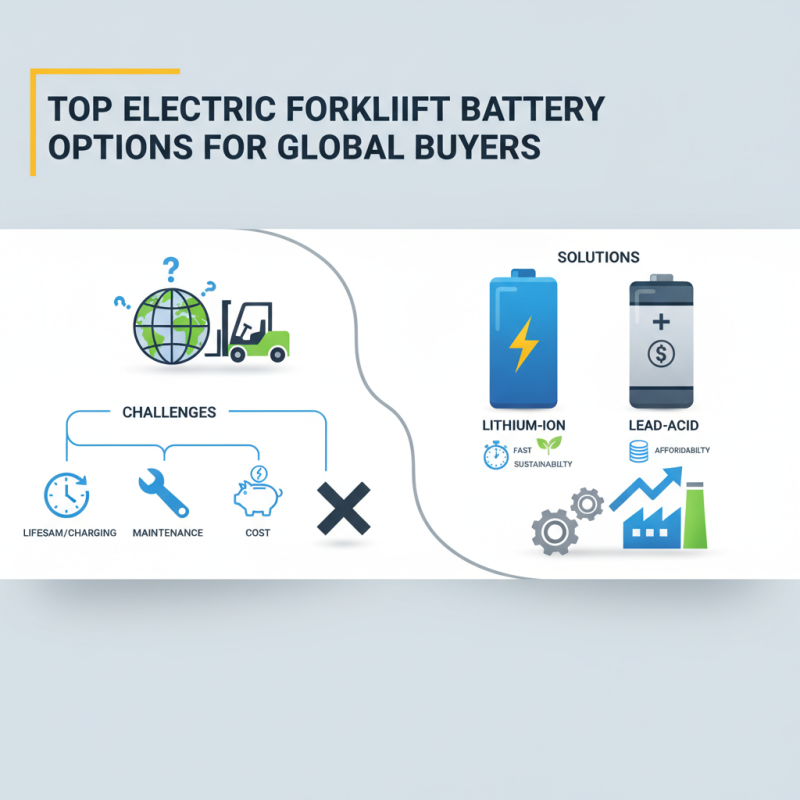
Innovative battery technologies are emerging, offering exciting options. Lithium-ion batteries, for instance, have gained popularity for their efficiency. Yet, traditional lead-acid batteries remain relevant due to their affordability. Understanding these differences is essential. It allows buyers to make informed decisions tailored to their operational needs. Choosing wisely can enhance productivity and reduce downtime.
Understanding Electric Forklift Battery Types and Technologies
Electric forklift batteries are crucial for efficient warehouse operations. Several types are available, each with unique characteristics. Lithium-ion batteries are popular due to their energy density and fast charging capabilities. They require minimal maintenance and have a longer lifespan, making them a reliable choice. However, initial costs are higher compared to traditional lead-acid batteries.
Lead-acid batteries remain common for many buyers. They are cost-effective and readily available. These batteries are heavier and less efficient than lithium-ion options. Users may experience issues, such as shorter run times and longer charging durations. Understanding these limitations is essential for making informed purchasing decisions.
Nickel-cadmium (NiCd) batteries are another option. They perform better in extreme temperatures but come with environmental concerns. Users must reflect on their specific needs before choosing. Each battery type has its merits and drawbacks. Careful analysis ensures that buyers select the best fit for their operations.
Factors Influencing the Choice of Electric Forklift Batteries
When choosing electric forklift batteries, several key factors come into play. The type of battery can significantly impact performance, lifespan, and overall cost. Lithium-ion batteries offer fast charging and longer service life. However, traditional lead-acid batteries are often more affordable upfront. This choice affects your operational efficiency and maintenance routine.
Another important consideration is the operational environment. Cold storage facilities may require batteries designed for low temperatures. On the other hand, humid conditions can demand batteries with enhanced corrosion resistance. Evaluating the specific applications of the forklifts is crucial. Buyers often overlook the battery’s compatibility with the forklift model.
Capacity and power output are also essential. A higher capacity battery can operate longer between charges, but it may come with a higher price tag. The energy density should match the workload demands. Remember that poor battery selection can lead to inefficiencies. Buyers should reflect on their usage patterns before making a decision. It's worth investing time to assess these factors carefully.
Top Manufacturers of Electric Forklift Batteries Worldwide
The electric forklift battery market has been witnessing robust growth. According to industry reports, the global market for electric forklift batteries is expected to reach $6 billion by 2025. This surge is driven by the demand for more efficient and environmentally friendly material handling solutions. Buyers are increasingly focusing on performance and longevity when selecting batteries for their electric forklifts.
Top manufacturers excel in various technologies, from lithium-ion to lead-acid batteries. Lithium-ion options, for instance, are known for their faster charging times and longer life cycles. These batteries often outperform traditional lead-acid varieties, making them attractive to many global buyers. However, they come with a higher upfront cost, a factor that requires careful consideration.
As manufacturers compete for market share, quality and reliability remain critical. Some established players struggle with supply chain management, impacting battery availability. Prospective buyers must weigh these challenges against the potential benefits of advanced technology. Ongoing investments in research and development are essential in ensuring that battery products stay relevant in an ever-evolving market. With increasing focus on sustainability, the future of electric forklift batteries appears promising yet complex.
Comparative Analysis of Battery Performance and Longevity
When choosing electric forklift batteries, performance and longevity are crucial factors. Battery type impacts how long a forklift can run and how efficiently it performs tasks. Lithium-ion batteries tend to provide longer runtimes compared to lead-acid batteries. They can also recharge faster, helping to minimize downtime. However, their upfront cost is typically higher, which can be a concern for some buyers.
Performance efficiency is not solely based on battery type. Environmental conditions play a significant role. Extreme temperatures, humidity, and how the battery is maintained are critical factors. For instance, undercharging can shorten battery life. Users often overlook the importance of regular maintenance. Proper care can prevent capacity loss and enhance longevity.
Charging practices also affect performance. Fast charging can lead to heat build-up, which is detrimental. Opting for a balanced charging routine may yield better results. Users should constantly assess their battery usage patterns. This reflection can guide better purchasing decisions in the future. Understanding these subtleties ensures a more informed choice in electric forklift battery selection.
Sustainability Considerations in Electric Forklift Battery Selection
When selecting electric forklift batteries, sustainability is a key consideration. As companies aim to reduce carbon footprints, the choice of battery technology plays a vital role. Lithium-ion batteries are gaining traction due to their energy density and longer lifespan compared to traditional lead-acid options. According to a recent industry report, lithium-ion batteries can last up to five times longer and charge faster, significantly lowering energy consumption.
The manufacturing process of batteries also impacts sustainability. Eco-friendly production methods should be prioritized. For instance, recycled materials in battery production can cut down environmental waste. It’s essential to consider the lifecycle of batteries, from sourcing to end disposal. Improper disposal of batteries can lead to hazardous waste, which can harm the environment and public health.
Tips: Always inquire about the battery's recycling program. Choosing suppliers with robust sustainability practices enhances your operational footprint. Evaluate batteries not just for performance, but also for their environmental impact. This dual focus leads to smarter sourcing decisions.
In addition, consider energy source sustainability. If your facility uses renewable energy, pair it with your forklift batteries. This ensures that the entire operation aligns with eco-friendly goals. Ultimately, selecting a sustainable battery is not just a financial decision, but a commitment to the planet's future.