What Are Micro Switches and How Do They Work?
micro switches are essential components in numerous electronic devices. They provide precise operation and reliability in various applications. According to industry expert John D. McGregor, "Micro switches are the backbone of automation, ensuring processes run smoothly." This statement underscores their significance in modern technology.
These switches are designed to operate with minimal actuation force, allowing for quick and efficient response. They are often found in appliances, automotive systems, and industrial equipment. Observing their compact size, one might overlook their impact on functionality.
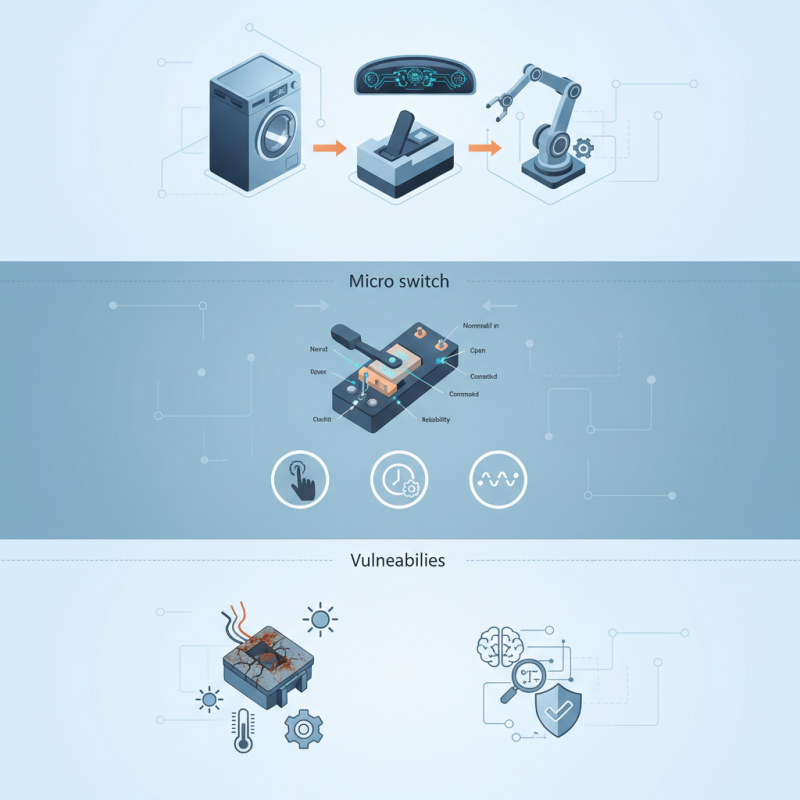
However, it is crucial to recognize the vulnerabilities micro switches have. Aging, environmental factors, and mechanical wear can affect their performance. Users must be mindful of these potential issues to maintain efficiency. Understanding micro switches and their operation can enhance our approach to technology and prevent unexpected failures.
Definition and Overview of Micro Switches
Micro switches are small yet powerful devices. They are commonly found in various applications, like home appliances and industrial equipment. A micro switch operates with minimal force. It uses a plunger to trigger an electrical circuit. This provides a fast and reliable response.
These switches are designed for longevity. They can endure millions of cycles. However, dirt or moisture can affect performance. Regular maintenance is needed to ensure reliability. Always consider switching locations and environmental factors when using them.
Tips: Always read the specifications before installation. This ensures compatibility with your device. Choosing the right size can prevent mishaps. For tricky installations, consider testing the switch in a controlled setting. This allows for adjustments if necessary.
Micro Switches Usage Across Different Industries
Common Applications of Micro Switches in Various Industries
Micro switches have become vital components across various industries. Their compact design and reliability make them a preferred choice in automation, appliance control, and safety systems. For instance, the automotive sector heavily relies on micro switches for applications such as seatbelt reminders and door safety systems. According to a recent industry report, around 15% of all automotive components are micro switches. This illustrates their crucial role in enhancing vehicle safety.
In the consumer electronics field, micro switches are commonly found in home appliances like microwaves and washing machines. They ensure proper functioning by detecting door closure and operational status. The global demand for micro switches in consumer appliances is projected to grow by 5% annually. This growth indicates that more devices will adopt these switches for better user experience and reliability.
Tips: When integrating micro switches into your design, consider their lifespan. Some can last over a million cycles, yet wear and tear is not uncommon. Also, pay attention to their activation force to ensure user satisfaction. Not all designs meet ergonomic needs, so always test the switches thoroughly.
The Working Mechanism: How Micro Switches Function
Micro switches are essential components in various devices and machines. They provide a reliable method of detecting changes in position or state. Understanding how they work can demystify their importance.
The working mechanism of a micro switch relies on a simple but effective principle. When a small force is applied to the actuator, the internal mechanism closes an electrical circuit. This can lead to a significant impact, despite the small size of the switch. The movement of the actuator triggers a spring. The spring moves to either complete or break the circuit. This quick action allows for rapid responses in appliances and systems.
Micro switches often come with variety in design. Some have a roller actuator, while others have a simple push button. Not all designs work perfectly with every application. It’s essential to analyze the use case to maximize efficiency. Overestimating the capabilities may lead to failures. This highlights the necessity for careful engineering. Each configuration should serve its purpose without compromise. Adjustments may be needed over time for optimal performance.
What Are Micro Switches and How Do They Work?
| Parameter | Description |
| Type | Momentary action or maintained action |
| Mechanism | Uses a lever or button to create an electrical switch |
| Operating Force | Typically ranges from 100g to 500g |
| Contact Configuration | SPST, SPDT, DPDT, etc. |
| Electrical Ratings | Commonly rated for 15A at 125V AC |
| Durability | Rated for millions of operations |
| Applications | Home appliances, industrial machinery, and automotive systems |
Types of Micro Switches and Their Unique Features
Micro switches are integral components in various applications. Their unique design allows for precise control over electrical circuits. There are several types of micro switches, each with specific features that cater to different needs. For example, roller lever micro switches are favored in applications where motion is involved. They can handle larger loads and provide reliable operations under challenging conditions.
Another type is the subminiature micro switch. This variant is compact and fits in tight spaces. They are often used in devices like security alarms. According to a 2022 industry report, the global demand for micro switches is expected to grow significantly, driven by advancements in automation. The automotive industry is a major contributor, utilizing them in door locks and safety systems. However, the industry still faces challenges. Production inconsistencies can lead to failures. This raises concerns about reliability in critical applications.
In terms of safety and functionality, each type of micro switch has its strengths and weaknesses. For instance, while some are robust, others may not perform well under extreme temperatures. Users must consider these factors carefully when selecting switches for specific applications. Proper training and awareness are also crucial for ensuring they are used effectively.
Maintenance and Troubleshooting Tips for Micro Switches
Micro switches are essential components in many devices. They operate based on a mechanical lever system. When the lever is pressed, it completes an electrical circuit. This simple function makes them popular in various applications. However, they can sometimes malfunction.
For maintenance, regularly check the micro switches for wear and tear. Look for any physical damage to the switch or its lever. Ensure that there is no dirt or debris affecting its movement. Clean the area around the switch with a soft cloth. Replace any damaged switches promptly to prevent further issues.
Troubleshooting is crucial when problems arise. If a switch fails to activate, examine the wiring connections. Loose wires can result in unreliable operation. Test the switch with a multimeter to ensure functionality. If you hear unusual sounds, the lever may be stuck. Gently move it to free up any obstructions. Regular checks can prevent bigger problems down the line.