

Choosing the China best Silicone Seal manufacturer requires more than comparing prices and product photos. A reliable decision begins with application details. Consider the substrate, movement, temperature range, moisture exposure, and expected service life. A sealant used on a glass curtain wall faces different demands from one used around a kitchen sink. Small details matter.
During factory evaluations, experienced buyers should inspect raw material storage, mixing equipment, curing controls, and batch traceability. Ask for technical data sheets, safety documents, adhesion results, and aging test records. A professional manufacturer should explain whether the product uses acetoxy, neutral, or another curing system. It should also clarify hardness, elongation, tensile strength, and working temperature. Clear answers build confidence. Vague promises do not.
Request samples from current production, not specially prepared showroom batches. Apply them to the actual materials and observe curing time, surface adhesion, odor, flexibility, and color stability. A polished factory tour proves little. Test evidence matters more. No checklist is perfect. Even experienced importers may overlook packaging quality or communication during complaints. That weakness deserves attention.
The best supplier should offer consistent quality, responsive engineering support, stable lead times, and realistic claims. Verify certificates independently when possible. Review customer references and inspect how the manufacturer handles defects. The cheapest Silicone Seal may create higher costs through rework, leakage, or project delays. A careful selection process protects performance and reputation. It also creates a stronger supplier relationship, although results should be reviewed regularly rather than trusted forever.
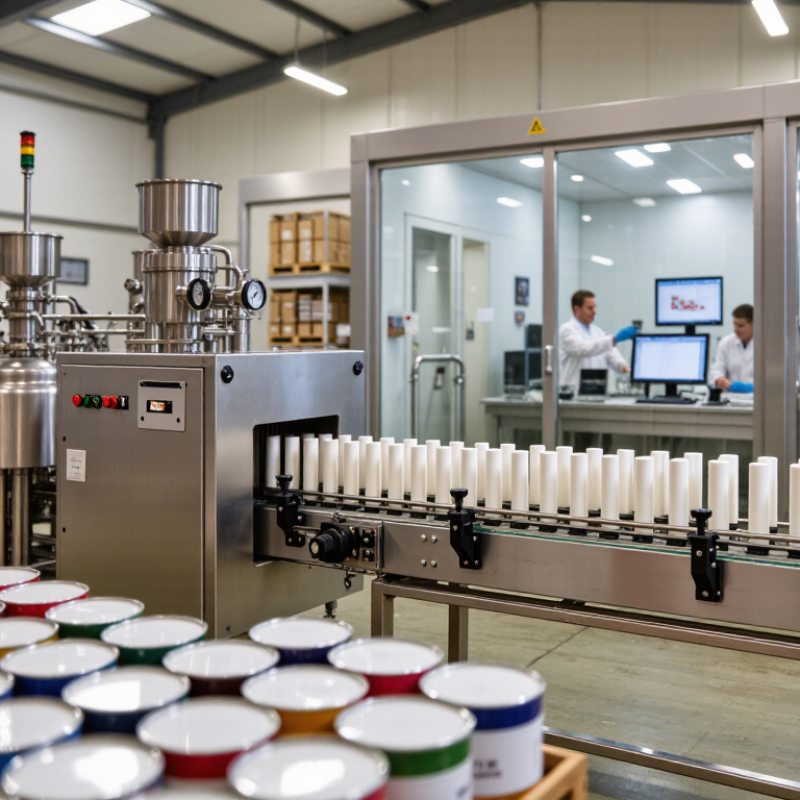
Reliable silicone seal manufacturers in China prove their capability through controlled processes, not attractive catalogs. Ask how they select silicone compounds, manage curing temperature, and inspect dimensions. An experienced factory should explain hardness, tensile strength, compression set, and temperature resistance in practical terms. Request production samples matching your drawings, including corners, holes, and adhesive surfaces. Review batch records and inspection reports. These documents show whether quality is repeatable. A confident supplier also admits material limits. No seal performs perfectly in every environment.
Tips: Visit the facility when possible, or request a live video inspection. Check mixing rooms, molding equipment, trimming stations, and storage conditions. Ask for samples from different batches, then compare weight, color, flexibility, and sealing recovery. Confirm whether engineers can adjust tooling without hiding extra costs. Clarify lead times, packaging, traceability, and complaint handling before signing. Small details matter. A vague answer today may become production trouble later.
Reliability also depends on technical communication. The manufacturer should review your working temperature, pressure, chemicals, movement, and installation method. Independent testing can verify critical performance, especially for long-term compression or outdoor exposure. Do not judge quality by the lowest quotation alone. I have seen inexpensive seals pass a visual check and fail after repeated heating. Still, no audit removes every risk. Clear specifications, documented approvals, and honest corrective action create stronger protection than promises.
| Evaluation Dimension | Recommended Benchmark | What a Reliable Manufacturer Should Provide | How to Verify It | Warning Signs | Suggested Weight |
|---|---|---|---|---|---|
| Material Traceability | Clearly identified silicone grade, hardness, colorant, and batch information. | Material certificates, batch records, incoming inspection records, and traceable production documentation. | Request a sample certificate of analysis and confirm that the batch number can be traced from raw material to finished seal. | Unidentified silicone grade, missing batch numbers, or inconsistent material descriptions. | 15% |
| Quality Management System | A documented quality system aligned with ISO 9001 principles. | Controlled procedures for design review, purchasing, production, inspection, nonconformity handling, and corrective action. | Review a valid certificate issued by an accredited certification body and check its scope and expiration date. | Certificate scope does not cover rubber or silicone products, or procedures exist only informally. | 12% |
| Dimensional Accuracy | Products manufactured and inspected according to the agreed drawing tolerances and applicable ISO 3302-1 class. | Approved drawings, mold control, first-article inspection, in-process checks, and final dimensional reports. | Compare samples with the drawing using calibrated gauges, optical measurement equipment, or a coordinate measuring machine where appropriate. | No controlled drawings, uncontrolled mold changes, or measurements taken without calibrated equipment. | 15% |
| Compression Set Performance | Test method and acceptance limits defined for the actual temperature, time, and application. | Compression-set data generated under a recognized method such as ASTM D395 or ISO 815, with conditions stated clearly. | Confirm test temperature, duration, specimen geometry, result, and acceptance criteria rather than reviewing a single percentage without context. | Generic “long-life” claims without test conditions or application-specific limits. | 12% |
| Temperature Resistance | The selected silicone compound must be suitable for the continuous and peak temperatures of the application. | Technical data showing the compound’s operating range, supported by aging or application-specific test results. | Compare the documented temperature profile with the seal’s actual exposure, including thermal cycling and dwell time. | A single universal temperature claim that ignores load, compression, media, and exposure duration. | 10% |
| Chemical and Media Compatibility | Compatibility validated against the actual fluids, gases, cleaning agents, or process chemicals. | Material-selection guidance and immersion, swelling, hardness, or tensile-retention data when required. | Provide the exact media, concentration, temperature, and exposure time for testing; do not rely only on a general compatibility chart. | No testing for the customer’s media or recommendations based solely on silicone being “chemically resistant.” | 10% |
| Testing and Inspection Capability | Routine inspection covering dimensions, appearance, hardness, and relevant physical properties. | Calibrated equipment, inspection plans, retained samples, test records, and defined sampling procedures. | Ask for anonymized inspection reports and calibration records for hardness testers, gauges, ovens, and other critical equipment. | Only visual inspection, no retained samples, or test reports that cannot be linked to a production batch. | 10% |
| Regulatory and Application Compliance | Compliance selected according to the end use, such as food contact, drinking water, medical, automotive, or electrical applications. | Relevant declarations, test reports, and controlled material formulations for the intended market and application. | Check the exact material, color, thickness, product form, test laboratory, and regulation version covered by each document. | A certificate is presented for a different material, color, product, market, or outdated regulatory version. | 10% |
| Tooling and Engineering Support | The manufacturer can review seal geometry, draft, parting lines, flash control, tolerances, and compression requirements. | DFM feedback, mold-flow or tooling recommendations where relevant, prototype samples, and controlled engineering changes. | Submit a drawing and evaluate whether the supplier identifies risks before quoting or sampling. | The supplier accepts every design without review and later adds unexplained tooling or modification costs. | 8% |
| Production Capacity and Process Control | Capacity should match forecast demand while maintaining stable curing, molding, trimming, and inspection processes. | Documented production flow, preventive maintenance, capacity planning, backup equipment, and process parameters. | Review a production plan, lead-time assumptions, equipment list, and recent batch-performance records. | Capacity is stated only as a monthly number without explaining product size, tooling, shifts, or quality controls. | 5% |
| Packaging, Storage, and Shelf Life | Packaging protects seals from deformation, contamination, ozone, UV exposure, and unsuitable storage conditions. | Defined packaging method, lot labeling, storage instructions, FIFO control, and shelf-life information based on material and product requirements. | Review packaging samples and verify that storage conditions and shelf-life statements are documented and consistent with the material specification. | Loose bulk packing, no lot identification, or storage guidance that omits temperature, humidity, light, or deformation risks. | 3% |