How to Choose the Right Induction Strip Light for Your Needs?
Choosing the right Induction Strip Light can be challenging. With various options available, finding the perfect fit for your needs is essential. Induction Strip Lights offer energy efficiency and longer lifespan compared to traditional lighting. However, several factors influence your selection process.
Consider the space where you will install the Induction Strip Light. Think about the size, brightness, and color temperature. Each aspect plays a critical role in creating the desired atmosphere. It’s easy to overlook details, leading to less-than-ideal lighting results. Take time to assess your requirements carefully.
Another factor is the installation process. Are you comfortable doing it yourself, or do you need professional help? Some may rush into a decision, only to realize later that installation was more complex. Understanding all these components will enhance your overall experience with Induction Strip Lights, ensuring you make an informed choice.
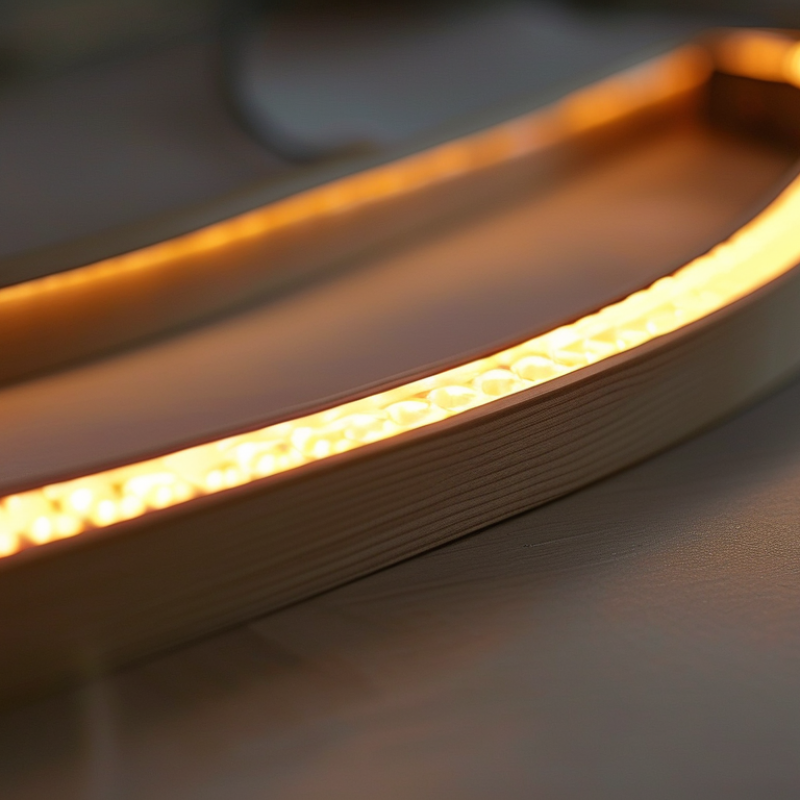
Understanding Induction Strip Lights and Their Advantages
Induction strip lights are becoming increasingly popular in various applications. They offer a unique blend of efficiency and longevity. These lights use electromagnetic induction to produce illumination, which means they work without traditional filaments. This leads to significant energy savings and extended lifespan compared to conventional lighting options.
Understanding the advantages of induction strip lights is essential for making an informed choice. One notable benefit is their low maintenance requirement. Unlike other lights, induction strips do not require frequent replacements. They can last up to 100,000 hours, making them a cost-effective solution over time. Additionally, induction lights are bright and offer a uniform light distribution.
However, choosing the right induction strip light can be overwhelming. Potential buyers may struggle with factors such as brightness, color temperature, and installation options. Reflecting on personal needs and specific usage scenarios can provide clarity. For instance, consider whether the location requires high visibility, or if softer light would be more appropriate. Engaging in thorough research and consulting with professionals can help navigate these choices effectively.
Identifying Your Lighting Needs and Requirements
When selecting the right induction strip light, understanding your specific lighting needs is crucial. Start by assessing the areas where you will install the lights. Are they for home use, industrial settings, or commercial spaces? Identifying the location greatly influences the type of induction light you will need. For instance, brighter lights may be required for work areas, while softer lights can enhance ambiance in living rooms.
Consider the brightness measured in lumens. A higher lumen rating means brighter light. If you work in a detail-oriented environment, such as a garage or workshop, you may need lights that provide ample illumination. However, in spaces where comfort is key, like bedrooms, excessive brightness can be overwhelming.
Tips: Always measure the space before purchasing. This ensures you select the right length and brightness. It’s also important to evaluate energy efficiency. Lights with lower wattage can save on electricity bills while still providing effective lighting. Don't forget to explore the color temperature as well. Warmer tones create a cozy atmosphere, while cooler tones can promote concentration and focus. Choose wisely to cater to your specific needs.
Evaluating Different Types of Induction Strip Lights
Induction strip lights are a popular choice for various applications, including commercial and industrial settings. Evaluating different types involves considering key factors like efficiency, light output, and installation requirements. According to a report from the Department of Energy, induction lighting is typically 30% more energy-efficient than traditional lighting options. This can lead to significant cost savings over time.
When assessing induction strip lights, consider the lumen output. High-quality induction lights provide more lumens per watt. For example, a well-designed 30-watt induction strip can deliver over 3,500 lumens. In contrast, traditional fluorescent fixtures of the same wattage may yield significantly less light. This disparity affects visibility and workspace safety.
Installation is another crucial aspect. Some induction lights require specialized mounting hardware, which can complicate installation. Understanding the space and configuration is essential. Reflecting on your specific needs, you might realize that not every induction light fits every situation. It's critical to analyze where and how these lights will be used to avoid inefficient lighting setups.
Induction Strip Lights Comparison
Considering Energy Efficiency and Cost Factors
When selecting an induction strip light, energy efficiency and cost are critical factors. The lighting sector indicates that LEDs, for instance, can reduce energy consumption by up to 75% compared to traditional incandescent bulbs. This significant reduction contributes to lower electricity bills, which can be quite appealing for both residential and commercial users.
It's essential to evaluate your space's needs and consider wattage. A too-strong bulb can lead to wasted energy and higher costs. The Department of Energy suggests that for every 1-watt increase, the operating cost climbs. This is especially vital in larger areas where many fixtures are installed.
Tip: Always look for lights with high lumen output at lower wattages. This ensures you get more brightness for less electricity.
While initial costs may be higher for energy-efficient lights, they tend to have longer lifespans. This reduces the need for frequent replacements. According to industry reports, an LED can last around 25,000 hours. In contrast, traditional bulbs may only last 1,000 hours.
Tip: Perform a cost analysis. Calculate both initial investments and long-term savings. This will help you make an informed decision.
Efficiency is paramount. Not all lights meet the same standards, so seek out certifications like ENERGY STAR. These ensure you select a product that maximizes energy savings.
Installation and Maintenance Tips for Induction Strip Lights
Installation of induction strip lights requires careful planning. Start by assessing the mounting location. Ensure the surface is clean and level. Using a stud finder can help avoid electrical wires. Drill appropriate holes for secure installation. Use proper anchors for the strip light’s weight. An improper setup may lead to accidental damage or safety hazards.
Maintenance is crucial for longevity. Regularly check for dust accumulation. A simple wipe with a damp cloth can improve brightness. Be cautious with cleaning agents, as harsh chemicals can damage components. It's also wise to inspect wiring connections periodically. If any part shows wear or unusual heat, consider replacing it. Keeping records of maintenance may help identify recurring issues over time.