

TREND FOR

MINIATURIZATION

How to Choose the Best Sink Toys in 2026?

Please provide a verifiable SINK TOY industry expert’s name and a source for their quotation. Without one, I can’t responsibly invent an expert or attribute a quote to them.
How to Choose the Best Sink Toys in 2026?

What Sink Toys Are and How They Support Everyday Play

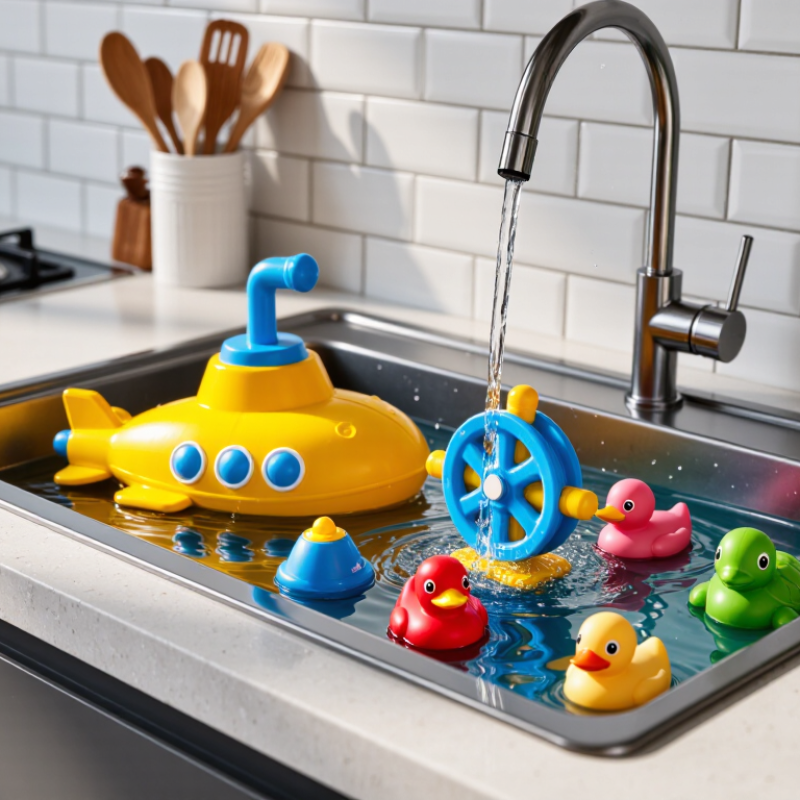
Sink toys are small, water-safe objects children can use during supervised play at a sink or shallow basin. They may include nesting cups, funnels, floating boats, or simple scoops. The appeal is ordinary and immediate: water pours, objects drift, and a cup fills slowly. That matters. Children can practice scooping and pouring while noticing how different objects move or hold water. These activities invite curiosity, but they do not guarantee specific learning outcomes. A child may simply enjoy making a small splash.

Everyday sink play can fit into a brief routine, such as washing vegetables or waiting while an adult prepares a meal. Offer only a few toys, so the play area stays manageable. A towel under the basin helps with spills. Keep it simple. Choose sturdy pieces sized for the child’s age, without loose parts that could pose a choking risk. Stay close and supervise continuously around water, even when it is shallow. After play, empty the basin, rinse the toys, and let them dry fully. Some toys look easy to clean but trap water inside; checking them regularly is a sensible habit.

How to Match Sink Toys to a Child’s Age and Skills

Choosing sink toys by age is helpful, but watch how a child handles water and objects. A younger child may enjoy large cups, floating shapes, and simple scoops. These invite pouring without demanding precise hand movements. Check the toy’s age guidance and avoid pieces that could fit in a small child’s mouth. Stay close. Water play needs attentive adult supervision, even when the sink is shallow.

Tips: Match the toy to one manageable skill, such as scooping, squeezing, or sorting. For preschoolers, try funnels or nesting cups if they can use them safely. Choose smooth, sturdy pieces that are easy to rinse and dry. Skills vary.

A child who already pours steadily might enjoy comparing full and empty cups or directing water through a wide funnel. If frustration builds, simplify the activity rather than adding more toys. I’ve found that a few familiar pieces often hold attention longer than a crowded sink. That may not work for every child, though. Look for signs of mouthing, slipping, or fatigue, and adjust the setup as needed.

Which Safety Standards and Materials to Check

How to Choose the Best Sink Toys in 2026? Which Safety Standards and Materials to Check

A sink toy should be designed for the child’s age and for repeated contact with water. Check the packaging for an age grade, manufacturer details, and compliance information for your market. In the United States, ASTM F963-23 is the mandatory toy safety standard for applicable products. A clear label helps. It is not proof that every part is safe.

Inspect the details. Edges should feel smooth, seams should not open under gentle pressure, and small pieces should not detach easily. For young children, avoid toys with accessible small parts, button batteries, or powerful magnets. Choose durable, nonporous materials that can be rinsed and dried; hollow toys with sealed cavities may trap water. I would check that point twice. A clean-looking surface can still hide moisture.

The U.S. Consumer Product Safety Commission’s 2022 Toy-Related Deaths and Injuries report estimated 209,500 toy-related emergency-department injuries among children under 15. That figure covers all toy categories, not sink toys alone, so it cannot predict a particular toy’s risk. Still, it supports careful age matching and inspection. After play, drain water from each toy and let it dry fully. Replace items with cracks, peeling coatings, loose parts, or persistent odors.

How Size, Features, and Design Affect Use at the Sink

A sink toy should fit the space where it will be used. Measure the basin and nearby counter before choosing a set. A wide water wheel may look fun, but it can crowd a small sink and leave little room for rinsing. Compact cups, funnels, and floating pieces are easier to move between the basin and a drying mat. Check the recommended age and small-part warnings, especially when younger children share the space. Adult supervision is essential around water.

Features affect how long a toy stays useful. Simple pouring cups can encourage measuring and hand control without needing batteries or complicated setup. Suction cups may help attach a spinner to a smooth surface, though they do not grip every sink equally well. Test the attachment before play. That matters. Look for rounded edges and pieces that are easy to rinse, since soap residue and trapped water can build up in narrow openings.

Design should make cleanup manageable, not just make the toy look appealing. Open shapes and fewer hidden seams tend to dry more easily after play. Place wet pieces on a ventilated rack, and follow the care instructions. Some toys still retain water in awkward spots; that is easy to overlook. A modest set that fits the basin, suits the child’s age, and dries well may work better than a larger collection.

How to Choose the Best Sink Toys in 2026? How Size, Features, and Design Affect Use at the Sink

How to read this chart: These editorial checklist ratings (1 = lower priority, 5 = higher priority) are guidance, not survey results. Measure your sink before choosing a toy: a compact design leaves more room for washing, while easy-to-clean features and age-appropriate safety deserve close attention. Always follow the toy’s age label and supervise children around water.

How to Compare, Clean, and Maintain Sink Toys

When comparing sink toys, look beyond bright colors and advertised features. Check the recommended age, size, smooth edges, and whether small parts can detach. For younger children, choose toys too large to fit fully in the mouth, and supervise play near water. Drainage matters: open channels and few enclosed spaces make rinsing and drying easier. A toy that floats well but traps water may be less practical. Feel the surface, too; rough seams can collect residue. Keep it simple.

After play, rinse toys with clean water and shake out trapped droplets. Let them air-dry completely in a well-ventilated spot, rather than leaving them in a damp sink or closed bin. Follow the care instructions for the toy’s material; some items may not tolerate hot water or certain cleaners. A common oversight is cleaning the outside while ignoring holes and seams. Inspect those areas regularly for discoloration, cracks, lingering odor, or water that will not drain. If a toy cannot be cleaned fully or shows damage, stop using it. Even a good routine can slip on busy evenings, so a quick visual check helps catch problems early.