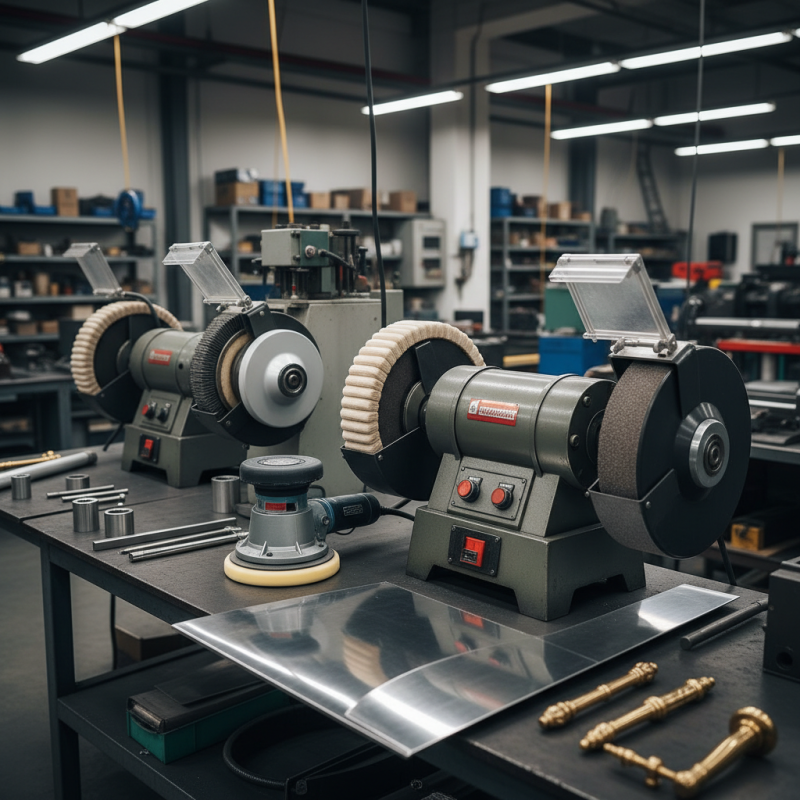
How to Choose the Best Metal Polishing Machine for Your Needs?
Choosing the right Metal Polishing Machine can be daunting. Various factors need careful consideration. This decision impacts efficiency, quality, and cost.
Different machines serve unique purposes. Some excel in buffing while others specialize in polishing. Understanding these differences can save time and money. A high-quality machine is an investment, but choosing poorly can lead to regrets.
It’s essential to assess your specific needs. Consider the materials you'll work with. Will you polish aluminum, stainless steel, or brass? Each requires a different touch. The wrong choice might hinder your work or produce subpar outcomes. Remember, not every machine is suitable for every job. Taking the time to research can lead to better results.
Understanding Different Types of Metal Polishing Machines
When selecting a Metal Polishing Machine, it's essential to understand the various types available. There are abrasive polishing machines, which use pads or wheels coated with abrasive materials. These machines are suitable for heavy-duty tasks and can effectively remove imperfections. However, they may not provide a high-gloss finish.
Another option is the non-abrasive polishing machine, ideal for achieving a brilliant shine on metals without damaging the surface. These machines often use compounds that are less aggressive. They work well for delicate items or intricate designs. Each type serves different purposes, so understanding your specific needs is paramount.
Tips to consider: Evaluate the metals you will be polishing. Some machines work better on stainless steel, while others excel with aluminum or brass. Also, assess the machine's power and speed settings. A versatile machine can handle various tasks. Don't forget to check user reviews to inform your choice. Always ensure that replacement parts and accessories are readily available.
Evaluating Your Metal Polishing Needs and Applications
When selecting a metal polishing machine, understanding your specific needs is crucial. Consider the materials you work with. Different metals, like aluminum or stainless steel, require distinct polishing techniques. Identify the finish you desire – is it a mirror shine or a brushed look? This decision impacts the type of machine that will suit you best.
Also, assess your production volume. For small projects, a portable machine may suffice. However, larger operations might need industrial-grade units that handle heavy workloads efficiently. Reflect on the workspace too. If your area is limited, choosing a compact machine can be beneficial. It's important to balance space with capabilities.
Maintenance and available support also play a role. A machine that is hard to maintain can quickly become a burden. Seek machines with readily available replacement parts. Review user feedback to gauge reliability. Even minor flaws can lead to significant disruptions. A thorough evaluation of your needs will guide you toward a machine tailored for your applications.
Factors to Consider When Choosing a Metal Polishing Machine
Choosing the right metal polishing machine requires careful consideration of several factors. The size and type of the machine play a crucial role. According to industry reports, machines vary in power, size, and purpose. A portable unit may suit small tasks, while larger projects might need heavy-duty options.
Material compatibility is another vital aspect. Not all machines can polish every type of metal effectively. For instance, stainless steel may require specific abrasives. Using the wrong equipment can result in surface damage. An analysis shows that over 20% of users report dissatisfaction due to incompatible machines.
Tip: Always check the specifications against your project's requirements. Ensure the machine can handle the metal types you frequently work with.
Additionally, user reviews and expert opinions are essential. Reliable sources can provide insights about a machine's performance. Studies indicate that machines with high customer ratings tend to have better durability and efficiency.
Tip: Look for user feedback that mentions the longevity of parts and ease of use. These factors often weigh heavily on your long-term satisfaction with the machine.
Finally, consider the machine’s maintenance needs. Regular maintenance can extend the lifespan of polishing machines. Data shows that neglecting upkeep may decrease performance by up to 30% over time. Taking time to understand these factors is crucial for making an informed choice.
Comparing Features and Specifications of Popular Models
Choosing the right metal polishing machine requires careful consideration of various features and specifications. Start by looking at the machine's motor power. A strong motor typically allows for more efficient polishing, especially with tougher materials. However, remember that powerful motors can generate more heat, which may affect the finish.
Another important feature is the type of polishing pad compatibility. Some machines are designed for specific pad types, which can limit versatility. If you often switch between different metals or finishes, look for a more adaptable option. Additionally, the size and weight of the machine should align with your workspace. A heavy model can be challenging to maneuver in tight spaces, but lighter machines may lack stability during use.
Finally, consider noise levels and maintenance requirements. Higher noise machines may not be suitable for residential areas. Also, machines that are harder to maintain can lead to long-term frustration. Think about your own capacity for upkeep. Finding the best match involves trial and error. Reflecting on your experiences with different types helps refine your choices.
Comparison of Metal Polishing Machines - Features and Specifications
Budgeting for Your Metal Polishing Machine Purchase
When budgeting for a metal polishing machine, understanding costs is crucial. Prices can range from a few hundred to several thousand dollars. Factors such as type, size, and features impact pricing. Reports indicate that the average small to mid-sized polishing machine costs about $1,200. However, additional expenses may arise from maintenance, consumables, and initial setup.
**Tip:** Create a detailed budget that includes not just the purchase price but also ongoing costs. Estimate expenses for polishing compounds, replacement parts, and electricity usage. Some machines may promise low upfront costs but lead to higher long-term expenses.
Look for finance options if budget constraints present challenges. Many suppliers offer payment plans to ease the initial financial load. Conduct thorough research to find machines that fit your needs without compromising quality.
**Tip:** Don’t rush into your purchase. Take time to compare various models and their long-term costs. Examine user reviews and performance reports, as they can reveal insights about durability and efficiency. Always consider visiting trade shows to see machines in action before making a decision.
How to Choose the Best Metal Polishing Machine for Your Needs? - Budgeting for Your Metal Polishing Machine Purchase
| Features | Entry-Level Machines | Mid-Range Machines | High-End Machines |
| Price Range | $100 - $500 | $500 - $1500 | $1500+ |
| Material Compatibility | Aluminum, Brass | Aluminum, Stainless Steel, Copper | All Metals |
| Polishing Speed | Low (2000 RPM) | Medium (3000 RPM) | High (5000 RPM+) |
| Portability | Portable | Semi-Portable | Stationary |
| Power Consumption | < 500W | 500W - 1500W | 1500W+ |