How to Choose the Best Long Range Camera for Your Needs?
Choosing a Long Range Camera can be daunting. With numerous options available, understanding what suits your needs is essential. Renowned photography expert Paul Williams states, "A good long range camera should enhance your vision, not complicate it." This sentiment resonates deeply in today’s market.
Long range cameras are designed for specific purposes, such as wildlife photography or sports events. It's crucial to consider your unique requirements. Features like zoom capability, image stabilization, and low-light performance differ significantly among models.
Additionally, potential buyers often overlook essential details. Weight and ergonomics can impact your shooting experience. Take time to reflect on how you will use the camera, as this will guide your decision-making. Remember, a feature-rich camera may not be the best if it’s heavy and cumbersome. Choosing a long range camera should be a balance between features and usability.
Choosing the Right Long Range Camera: Key Considerations
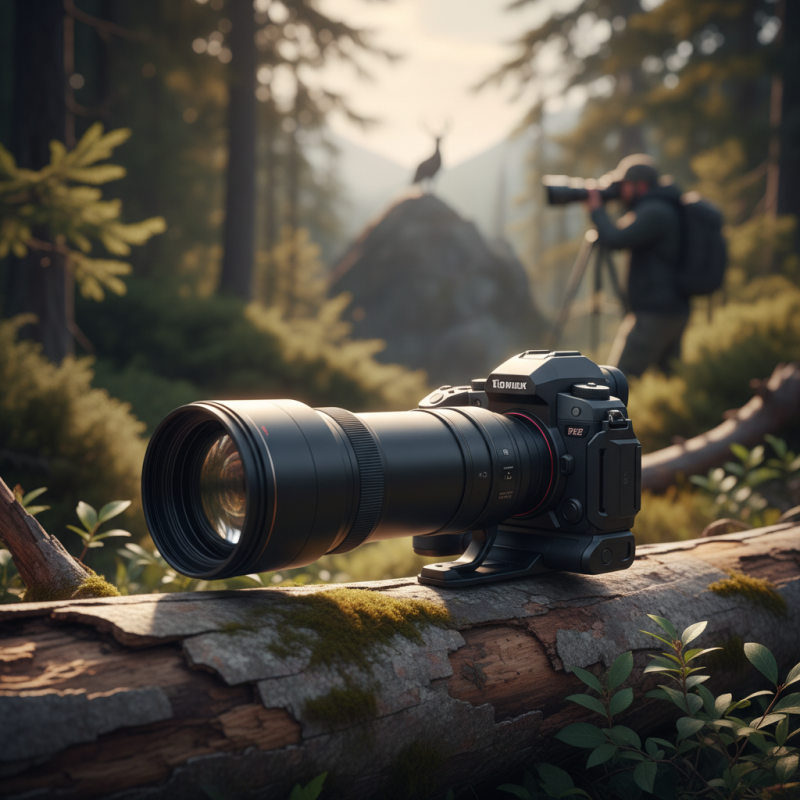
Choosing a long-range camera requires careful consideration of various factors. The first aspect to think about is the lens. A longer focal length allows for better detail at a distance. Think about how far you need to shoot. Will you be capturing wildlife? Or perhaps distant landscapes? Knowing the purpose influences your choice significantly.
Tip: Get a feel for different lenses in a store. This also helps you understand their weight and ease of use.
Next, consider the sensor size. Larger sensors generally capture more light. They offer better performance in low light conditions. Be aware that larger sensors can make cameras bulkier. Weigh the benefits against the convenience of portability.
Tip: Research sensor types. Look for reviews focusing on real-world performance, not just specifications.
Don’t overlook features like stabilization. It can really help when shooting handheld from a distance. Evaluating controls and customization is crucial too. Make sure you’re comfortable with its layout. A camera should feel intuitive to use.
Tip: Borrow or rent a camera before deciding. This lets you experience its quirks firsthand.
Understanding Camera Specifications for Long Distance Shooting
When choosing a long-range camera, understanding specifications is vital. Pay close attention to the lens focal length. A longer focal length provides better zoom capabilities for distant subjects. This allows for clearer images without causing distortion. For instance, a 300mm lens captures much more detail than a standard 50mm lens.
Next, consider the sensor size. Larger sensors typically enhance image quality, especially in low light. A full-frame sensor can capture more light, resulting in sharper images. Be wary, though; larger sensors often mean bulkier cameras. This could affect portability, especially if you plan to hike or travel.
Lastly, think about stabilization features. Optical image stabilization (OIS) helps reduce blur from hand-shake. This is crucial when shooting at longer distances. A camera lacking this feature might yield unsatisfactory results, leading to frustration during editing. Review these aspects thoroughly to enhance your long-distance photography experience.
Evaluating Lens Options for Optimal Image Quality at Distance
Selecting the optimal lens is crucial for capturing distant images with clarity. Various factors influence this choice, including focal length, aperture, and lens design. A report by the Imaging Resource indicates that the ideal lens for long-range photography typically boasts a focal length of 300mm or more, allowing for effective composition of distant subjects. Additionally, a wider aperture—like f/2.8—can significantly improve image quality in low light.
Further, understanding lens construction is vital. As per data from the Journal of Optical Engineering, multi-coated lenses reduce flares, significantly enhancing contrast in outdoor environments. However, the tech's complexity can lead to compromises in image sharpness, particularly at extreme zoom levels. This trade-off requires a careful balance to ensure that image quality does not suffer due to increased optical distortion.
Each photographer’s needs vary widely. Evaluating personal shooting conditions is essential. Outdoor environments and light conditions may lead to unexpected challenges. While advanced lenses offer enhanced features, they may also increase weight and bulk. This can affect portability and usability during long shooting sessions. Acknowledging these factors can lead to better decision-making for achieving that perfect shot at a distance.
Assessing Zoom Capabilities and Their Impact on Long Range Photography
When selecting a long-range camera, zoom capabilities are paramount. Zoom allows you to capture details from afar. A camera with a higher optical zoom often performs better than one with a more extensive digital zoom. Optical zoom maintains image quality, while digital zoom may degrade it. Consider how far you need to shoot and what you want to capture.
Understanding the impact of zoom on your photography is essential. There are different types of zoom to consider: fixed, optical, and digital. Each has its advantages and limitations. Fixed zoom offers consistent quality but lacks versatility. Optical zoom provides the best clarity at distance. Digital zoom can extend your reach but may produce pixelated images. Remember, the quality of the lens can make a significant difference in your final image.
Evaluating your needs requires a bit of introspection. Think about the subjects you typically photograph. Is it wildlife or landscapes? Each requires different zoom characteristics. Also, weigh the importance of portability. A larger zoom lens can add weight. Balancing zoom capability with camera size is crucial. Ultimately, make your choice based on your specific photography goals and conditions.
How to Choose the Best Long Range Camera for Your Needs? - Assessing Zoom Capabilities and Their Impact on Long Range Photography
| Camera Model | Max Zoom (x) | Effective Range (m) | Sensor Type | Image Stabilization |
| Camera A | 20x | 1000 | CMOS | Optical |
| Camera B | 30x | 1200 | CCD | Digital |
| Camera C | 15x | 800 | CMOS | Optical |
| Camera D | 40x | 1500 | CMOS | Hybrid |
| Camera E | 10x | 600 | CCD | None |
Comparing Image Stabilization Technologies for Shake-Free Shots
When selecting a long-range camera, image stabilization (IS) is crucial for clear, shake-free shots. Various IS technologies exist, each with unique benefits. Optical image stabilization (OIS) uses physical components to counteract motion. This is particularly effective when shooting in low light or at long distances, as minor movements can blur images.
On the other hand, electronic image stabilization (EIS) harnesses software algorithms to stabilize footage. EIS can be great for video recording, ensuring smooth transitions even in dynamic situations. However, it may crop frames and slightly reduce image quality.
Tips for optimal stabilization include using a tripod for added steadiness. If handheld, maintain a steady grip and use your body to absorb movements. Remember, even the best stabilization can’t replace good technique. Evaluate your shooting style to choose the right technology for your needs. Understanding how these technologies work can make a significant difference in your photography experience.