

TREND FOR

MINIATURIZATION

How to Choose the Best Hair Removal Products in 2026?

Choosing the best Hair Removal products in 2026 requires more than comparing prices or counting online reviews. Skin type, hair texture, treatment area, and personal tolerance all matter. A facial trimmer may suit sensitive skin, while an at-home light-based device may better serve users seeking longer-lasting results. Wax strips can work efficiently, but they may cause redness or discomfort. Small differences matter.

Safety comes before speed. Reliable guidance should explain active ingredients, device settings, patch testing, cleaning, and realistic treatment schedules. Dermatologists often recommend testing a product on a small area first, especially when skin is reactive or recently exposed to sunlight. Manufacturer instructions also deserve careful attention, because performance and safety can vary between models. Evidence matters. Marketing does not replace it.

Look for transparent ingredient lists, clear warnings, responsive customer support, and testing information from credible sources. Regulatory requirements may differ between countries, so approval claims should be checked locally. A cheaper product is not always the better choice. Neither is the most expensive one. Real-world comfort can be overlooked in polished advertisements. A device may promise smooth skin, yet feel awkward around ankles or leave visible stubble after two days. This guide will compare popular Hair Removal methods through a practical, evidence-aware lens. It will also acknowledge limitations, because no product works equally well for everyone. Your skin may surprise you.
How to Choose the Best Hair Removal Products in 2026?

Understanding Hair Removal Methods and Product Categories

Choosing hair removal products starts with understanding the method, not the packaging. Shaving cuts hair at the skin’s surface and suits quick, low-cost maintenance. Depilatory creams dissolve hair chemically, but sensitive skin may react. Waxing removes hair from the root, often producing longer-lasting smoothness with more discomfort. It still hurts.

At-home light-based devices target pigment in the hair follicle and usually require repeated sessions. Professional laser treatment uses stronger equipment and needs qualified operation. Electrolysis treats individual follicles with electrical energy and may suit smaller areas. The American Academy of Dermatology notes that results, irritation, and suitability vary with skin tone, hair color, and medical history. Results vary.

Market data also shows why categories are expanding. Grand View Research reported continued growth in the global hair removal products market, supported by rising personal-care spending and home-use technology. Fortune Business Insights similarly identifies growing demand for laser and light-based systems. These figures describe market momentum, not guaranteed performance. A larger market does not make every device safer.

Check the product’s intended body area, treatment schedule, power settings, and safety instructions. A patch test can reveal burning, redness, or delayed irritation before full use. Avoid products that promise permanent results without qualification. In practice, people often choose based on speed, then regret ignoring maintenance time. I have found that a simple razor may outperform advanced equipment when travel, cost, and consistency matter. Skin response remains individual, and professional advice is sensible for persistent irritation or unusual hair growth.

Matching Hair Removal Products to Your Skin Type and Hair Texture

How to Choose the Best Hair Removal Products in 2026?

Skin type and hair texture should guide every hair removal choice. The 2024 Fitzpatrick scale remains useful for estimating how skin may react to light-based devices. Fair skin with dark, coarse hair often responds more visibly to laser technology. Darker skin needs carefully controlled energy and professional assessment. The American Academy of Dermatology advises multiple sessions, because hair grows in different cycles. One session rarely delivers lasting smoothness.

Coarse hair may tolerate shaving, trimming, or professionally supervised laser treatment better than repeated waxing. Fine hair can break during waxing, leaving rough patches that feel like unfinished work.

Dry or sensitive skin needs fragrance-free shaving gel and a clean, sharp blade. Patch-test depilatory creams for 24 hours. Do not apply them to irritated skin.

The market is expanding. Fortune Business Insights valued the global laser hair removal market at about USD 1.02 billion in 2023 and projected strong growth through 2032. That growth can encourage rushed purchases. It should not replace skin evaluation. Euromonitor’s 2024 beauty analysis also noted increasing consumer interest in convenient, at-home grooming tools. Convenient does not mean risk-free. I still see people choosing intensity by hair darkness alone. That is incomplete. Skin tone, texture, medication use, and recent sun exposure matter too.

Evaluating Product Safety, Ingredients, and Potential Side Effects

How to Choose the Best Hair Removal Products in 2026?

Safety should guide every purchase, especially when a product touches sensitive skin. Check the full ingredient list, not just the front label. Depilatory creams often use thioglycolates, which dissolve hair but may irritate skin. Fragrance, alcohol, and strong preservatives can also cause redness or dryness. A short ingredient list is not automatically safer. That assumption can mislead.

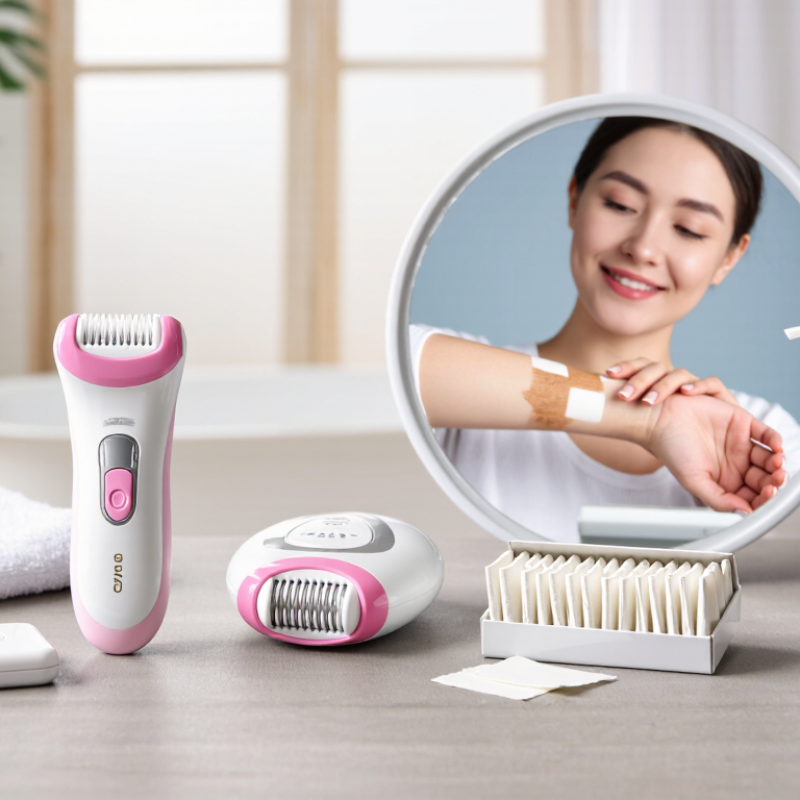
Test a small area on your inner arm or leg first. Leave the product on only for the stated time. Never extend treatment because the hair seems resistant. Watch the patch for 24 hours, although delayed irritation can still happen. Stop immediately if you feel burning, swelling, or sharp pain. Clean skin gently with cool water. Avoid applying products over cuts, rashes, sunburn, or recently exfoliated areas.

Device-based options need careful evaluation too. Check whether the instructions suit your skin tone, hair color, and treatment area. Eye protection matters for light-based devices. Waxing can remove hair effectively, but overheated wax may cause burns and broken skin. I have found that rushing often creates more trouble than the hair itself. Sometimes, less frequent treatment is wiser. People with eczema, medication-related sensitivity, or recurring reactions should seek advice from a qualified healthcare professional before trying a new method.-vesm

How to Choose the Best Hair Removal Products in 2026?

Typical duration of visible hair reduction varies by method. Longer-lasting methods may require more safety precautions, while chemical products require careful ingredient and patch-test review.

The values show commonly reported approximate days before noticeable regrowth: shaving 1–3 days, depilatory creams 3–7 days, waxing 14–28 days, epilation 14–28 days, and IPL treatments approximately 21–49 days during a treatment course. Actual results depend on hair-growth cycle, skin type, product formulation, and correct use. Always follow the label, avoid damaged skin, and perform a patch test when recommended.

Comparing Effectiveness, Cost, Convenience, and Long-Term Results

How to Choose the Best Hair Removal Products in 2026?

Choosing a hair removal product requires more than comparing its price. Effectiveness depends on hair thickness, skin sensitivity, and the treatment area.

A razor works quickly, but results may last only one or two days. Depilatory creams can leave skin smooth longer, although their ingredients may irritate sensitive users. Test a small area first.

Convenience also changes the real cost. A low-priced tool may require frequent refills, replacement heads, or extra soothing products.

At-home light-based devices usually require repeated sessions and careful use. Professional treatments cost more initially, but fewer appointments may reduce long-term spending. Keep a simple record of payments, treatment time, and regrowth.

Long-term results deserve careful attention. Some methods reduce visible hair for weeks, while others may gradually weaken regrowth after consistent use.

Follow the instructions, protect treated skin from strong sunlight, and stop if burning or swelling develops. A qualified dermatology professional can help with unusual reactions or persistent skin problems.

My own comparison was not perfectly controlled, because hair growth changed with stress and hormonal fluctuations. That limitation matters. The cheapest option may become expensive when discomfort, wasted time, and repeated mistakes are included.

Choosing and Using the Best Hair Removal Product in 2026

Choosing and Using the Best Hair Removal Product in 2026

The “best” product depends on your skin, hair texture, treatment area, and tolerance for maintenance. Grand View Research projects about 5.5% annual growth in the global hair removal products market through 2030. Fortune Business Insights also reports mid-single-digit growth, reflecting stronger demand for convenient home treatments. Market growth does not prove every product works equally well.

For fast results, shaving suits large areas and needs little preparation. Depilatory creams can feel smoother, but sensitive skin may react to their ingredients. Waxing removes hair from the root, although technique matters greatly. At-home light devices require patience, consistent schedules, and careful skin-tone compatibility checks. Choose based on evidence, not attractive packaging.

Read the full instructions before use. Test a small area first, especially with creams, wax, or heated tools. The American Academy of Dermatology Association recommends stopping when burning, swelling, or persistent redness appears. Use clean, dry skin, and avoid treating irritated areas. A patch test is easy to skip. That is the mistake. Personally, I would rather accept slower regrowth than risk a painful reaction. Forecasts guide the market, not your skin. Product performance can also vary between body areas.

How to Choose the Best Hair Removal Products in 2026? — Choosing and Using the Best Hair Removal Product in 2026

A practical comparison of common hair removal methods based on results, comfort, skin compatibility, maintenance, and safety considerations.

Product or Method How It Works Typical Results Results Duration Comfort Level Best For Skin and Hair Compatibility Main Advantages Important Precautions Maintenance Needs
Shaving Razors Cuts hair at the skin surface without removing the root. Smooth skin immediately after use. Usually 1–3 days, depending on hair growth. ★★★★★ Usually very comfortable Fast, inexpensive removal for legs, underarms, and other broad areas. Suitable for most skin and hair types when used with lubrication and a clean razor. Quick, accessible, precise, and painless for most users. Use light pressure, avoid sharing razors, and replace dull blades to reduce irritation and cuts. Frequent shaving is normally required.
Depilatory Creams Uses chemicals such as thioglycolates to break down hair at or slightly below the skin surface. Smooth skin without pulling hair from the root. About 3–7 days for many users. ★★★★☆ Generally comfortable People who want a shave-free method without mechanical pulling. Works on many hair types, but formulas differ by body area and skin sensitivity. Fast application and easy removal over larger areas. Perform a patch test 24 hours beforehand; do not use on broken, sunburned, or irritated skin, and never exceed the stated processing time. Repeat when visible regrowth appears.
Waxing Adhesive wax grips hair and removes it from the root. Noticeably smooth skin with slower visible regrowth. Approximately 3–6 weeks, varying by growth cycle. ★★★☆☆ Moderate to intense discomfort Large areas such as legs, arms, and back; also suitable for some facial areas. Most hair types can be waxed when hair is long enough to grip; sensitive skin may react. Longer-lasting results and reduced daily maintenance. Avoid waxing over irritated skin, active acne, sunburn, or areas treated with certain exfoliating or prescription products. Hair generally needs to regrow before the next session.
Sugaring A sugar-based paste removes hair from the root, usually in the direction of hair growth. Smooth skin with root-level hair removal. Approximately 3–6 weeks. ★★★☆☆ Moderate discomfort Users seeking a root-removal method that may be gentler for some skin types. Can be used on many hair and skin types; results depend on correct technique and hair length. Water-soluble residue and potentially less pulling on the skin than some waxing techniques. Avoid application on damaged skin and use clean tools to reduce the risk of irritation or infection. Repeat when sufficient regrowth is present.
Epilators Rotating tweezers mechanically grasp and pull multiple hairs from the root. Root-level removal with immediate smoothness. Usually 2–4 weeks. ★★☆☆☆ Can be uncomfortable At-home users who want longer-lasting results without disposable wax. Works best when hair is long enough for the device to grip; may irritate sensitive skin. Reusable, convenient, and effective on many body areas. Clean the device, avoid pressing too hard, and exfoliate gently between sessions to help reduce ingrown hairs. Use periodically as hair regrows; clean the head after every use.
At-Home IPL Devices Uses repeated pulses of broad-spectrum light to heat pigment in the hair follicle and reduce future growth. Gradual reduction in hair growth rather than instant removal. Results commonly require several weeks of scheduled use, followed by occasional maintenance. ★★★★☆ Usually mild warmth or snapping Users seeking long-term hair reduction at home. Generally most effective when there is strong contrast between darker hair and lighter skin. Effectiveness is limited on very light, red, gray, or white hair. Can reduce regrowth over time and requires less frequent treatment after the initial schedule. Follow the device’s skin-tone guidance; avoid use on tattoos and recently tanned skin, and wear eye protection when required. Initial treatments are often weekly or biweekly, followed by maintenance sessions according to the instructions.
Professional Laser Hair Reduction Concentrated laser light targets pigment in the follicle to reduce future hair growth. Progressive, long-term reduction after multiple professional treatments. Results vary; maintenance treatments may be needed because hormonal and dormant follicles can produce new growth. ★★★☆☆ Warm snapping sensation is common People seeking a professionally supervised long-term reduction plan. Works best when the laser wavelength and settings are appropriate for the person’s skin tone and hair color. Stronger and more customizable treatment than most home devices. Choose a qualified provider, disclose medications and skin conditions, avoid tanning, and follow pre- and post-treatment instructions. Several appointments are normally required, with occasional maintenance.
Threading Twisted cotton thread removes individual hairs from the root. Precise removal with a clean, defined finish. Approximately 2–4 weeks. ★★★☆☆ Localized discomfort Eyebrows, upper lip, chin, and other small facial areas. Suitable for many skin and hair types; useful for detailed shaping. Highly precise and does not require chemical products or heated wax. Use a hygienic service or clean technique, and avoid threading over irritated or recently exfoliated skin. Repeat when facial hair becomes visible or shape needs refreshing.

Safety note: Always read the product instructions, perform a patch test when recommended, and stop use if severe burning, swelling, blistering, or a persistent rash occurs. Individual results vary with hair color, hair thickness, skin sensitivity, hormones, and technique.