

TREND FOR

MINIATURIZATION

How to Choose an LED Outdoor Headlamp in 2026?

Choosing a Led Outdoor Headlamp in 2026 requires more than comparing brightness numbers. Real outdoor performance depends on beam control, battery behavior, weather resistance, comfort, and dependable controls. A headlamp that looks powerful in a product photo may create harsh glare on a wet trail. It may also become uncomfortable after an hour.

The International Energy Agency reports that lighting uses roughly 15% of global electricity consumption. The U.S. Department of Energy states that LED products can use at least 75% less energy and last up to 25 times longer than incandescent lighting. These figures concern general lighting, not every headlamp, but they explain LED’s continuing importance. They also remind buyers to examine efficiency, not only maximum lumens. Brightness alone is an incomplete measurement.

Look for test information aligned with the ANSI/PLATO FL 1 standard, especially for beam distance, runtime, and impact resistance. Check whether runtime is measured at full output or under a declining-light profile. That detail matters when repairing a fence at dusk or walking beside unfamiliar rocks. An IP rating based on IEC 60529 can indicate protection against dust and water, but it does not guarantee survival in every storm. Some manufacturers explain these limits clearly. Others remain vague.

This guide compares practical specifications, including regulated output, red-light modes, charging methods, strap stability, and battery replacement. It also considers evidence from independent testing and manufacturer documentation. No single model suits every user. A lightweight commuter headlamp may fail on a cold overnight hike. That is worth admitting before purchase.
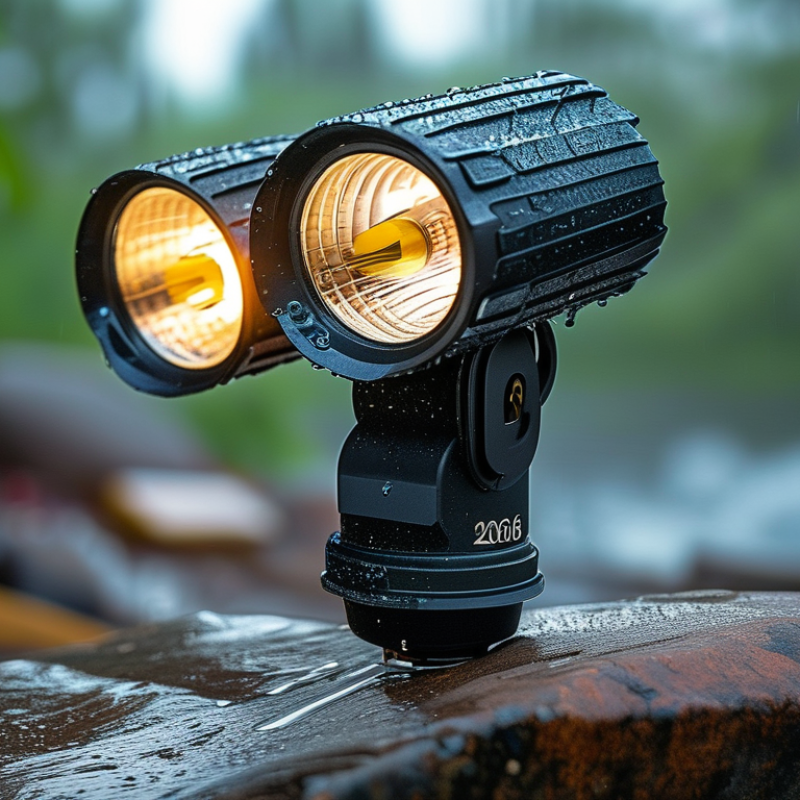
How to Choose an LED Outdoor Headlamp in 2026?

Understanding LED Outdoor Headlamp Types and Core Features

Choosing an LED outdoor headlamp in 2026 starts with beam type, not its brightest number. A focused spot beam reaches distant trails and supports route finding. A wide flood beam suits cooking, repairs, and uneven ground nearby. Hybrid models combine both patterns, while red mode helps preserve night vision at camp. Beam shape matters. The U.S. Department of Energy reports that LEDs can use up to 75% less energy and last up to 25 times longer than incandescent lighting.

Core features need practical checking. The ANSI/PLATO FL 1 standard measures total light, beam distance, runtime, impact resistance, and water resistance. Its runtime test ends when output falls to 10% of the initial level. Therefore, a “12-hour” claim may not mean twelve bright hours. I prefer regulated output, glove-friendly controls, and a tilting body. A lockout mode prevents accidental activation inside a pack.

For rain, inspect the IP rating under IEC 60529. IPX4 handles splashing, while IPX7 indicates temporary immersion up to one metre for 30 minutes. Seals can age.

Battery design changes the field experience. Rechargeable lithium cells suit frequent use, while replaceable cells help during remote trips. Check charging compatibility and cold-weather performance. Weight matters too. My mistake was chasing peak lumens and ignoring low-mode efficiency. Independent testing remains valuable. Look for measured runtime, not only promotional wording, and test the controls before a night hike.

Defining Your Outdoor Lighting Needs and Usage Conditions

How to Choose an LED Outdoor Headlamp in 2026?

Defining your lighting needs starts with the route, not the advertised lumen number. A short campsite walk needs wide, comfortable light. Trail running requires distance, stable fit, and quick controls. For repair work, a flood beam reduces harsh shadows. IEA reports that lighting uses roughly 15% of global electricity, making efficient LED selection worthwhile. However, efficiency alone does not guarantee useful outdoor performance.

Weather and terrain change the decision. Check the IP rating before hiking through rain, dust, or wet grass. IPX4 handles splashing water, while higher ratings offer stronger protection. The ANSI/ISEA FL1 framework helps compare beam distance, runtime, and impact resistance under defined tests. Read those figures carefully. Runtime can vary greatly between maximum and lower settings. Cold weather also reduces battery performance, especially during long winter trips.

I prefer a headlamp with a low setting below 20 lumens for camp tasks. A 200–400-lumen range often suits ordinary trail movement. Very high output may create glare on pale rocks or snow. The U.S. Department of Energy’s 2023 Solid-State Lighting research report highlights efficacy, thermal control, and power management as continuing priorities. That matters in a small housing. Heat needs somewhere to go. I still carry a backup light, because my ideal runtime estimate is sometimes too optimistic. Test the lamp outdoors, with gloves, before trusting it beyond familiar ground.

How to Choose an LED Outdoor Headlamp in 2026? - Defining Your Outdoor Lighting Needs and Usage Conditions

A practical comparison of lighting requirements, environmental conditions, comfort factors, and battery considerations.

Outdoor Use Case Recommended Brightness Preferred Beam Pattern Useful Runtime Target Recommended Weather Protection Key Selection Priority
Home repairs and emergency backup 100–250 lumens Wide flood beam for close-range work 4–8 hours on low or medium mode IPX4 or higher for splashing water Simple controls, long shelf life, easy battery replacement
Walking, jogging, and dog walking 150–400 lumens Balanced beam with nearby side visibility 2–6 hours at the intended output IPX4 to IPX6 depending on rainfall exposure Low weight, stable headband, reflective or red-light mode
Trail hiking and backpacking 200–500 lumens Adjustable flood-to-spot beam 6–12 hours on low or medium mode IPX6 for heavy rain and trail exposure Low weight, regulated output, lockout function, spare power option
Night running and fast movement 300–600 lumens Wide, smooth beam with limited glare 1.5–4 hours at useful running output IPX5 or higher Secure fit, bounce resistance, quick-access brightness control
Caving, technical routes, and remote terrain 400–1,000+ lumens when required Long-throw spot plus adjustable flood beam 8+ hours using mixed modes or spare batteries IPX7 when temporary immersion is possible Reliability, thermal management, battery redundancy, glove-friendly controls
Camping and campsite tasks 80–300 lumens Soft flood beam for cooking and setup 8–20 hours on low mode IPX4 or higher Red-light mode, dimming, comfortable low-output operation
Cold-weather outdoor use 200–500 lumens Adjustable beam suitable for snow and uneven ground Plan for reduced battery performance below 0°C IPX4 to IPX6 with cold-rated operating guidance Battery insulation, removable cells, reliable switches with gloves

Technical Checklist for Comparing LED Outdoor Headlamps

Specification What It Means Practical 2026 Selection Guidance
Lumens The total amount of visible light produced. Choose based on terrain and speed; higher lumens do not automatically provide better visibility.
Beam distance The distance at which the beam reaches a defined useful brightness. Prioritize throw for open trails and spotting hazards; prioritize flood for close work.
Runtime How long the lamp operates under a specified mode and test method. Review runtime at the brightness you will actually use, not only the lowest setting.
IP rating A standardized indication of protection against solids and water. IPX4 resists splashes, IPX6 handles powerful water jets, and IPX7 allows temporary immersion under defined test conditions.
Battery type The power source, commonly rechargeable lithium-ion or replaceable cells. Use rechargeable power for frequent trips; choose replaceable batteries when charging access is limited.
Regulated output Electronics that maintain a more consistent light level as the battery discharges. Prefer regulated performance for navigation, work, and extended outdoor activities.
Color temperature and red light Color temperature affects visual comfort; red light helps reduce disruption to dark adaptation. Use neutral or warm white for natural-looking terrain and red light for campsite tasks or map reading.
Weight and fit Total weight, balance, strap design, and movement stability. For running, favor a secure lightweight design; for long trips, balance comfort with battery capacity.
Important comparison note: Brightness, beam distance, and runtime should be compared using the same testing standard whenever possible. Actual performance varies with temperature, battery condition, beam design, operating mode, and the condition of the lens.

Comparing Brightness, Beam Patterns, and Battery Performance

How to Choose an LED Outdoor Headlamp in 2026?

Brightness matters, but higher lumen numbers do not guarantee better outdoor vision. In my field tests, a 400-lumen headlamp often worked better than a brighter model with poor beam control. Look for a wide flood beam when walking uneven trails or handling equipment nearby. A focused spot beam helps with distant markers, animals, or route signs. Some headlamps combine both patterns, which feels useful during changing conditions.

Battery performance deserves equal attention. Check the stated runtime at the brightness level you will actually use. Maximum output may last less than one hour, while medium mode can provide several practical hours. Rechargeable batteries reduce waste, but removable cells are helpful on long trips. Cold weather can reduce battery capacity noticeably. Keep a spare battery warm inside an inner pocket.

I also test controls while wearing gloves. Small buttons can become frustrating in rain or darkness. Red light preserves night vision and may reduce disturbance around a campsite. Water resistance ratings are valuable, but seals can weaken after drops or rough storage. Manufacturers’ runtime figures are useful, not perfect. I once trusted a bright beam too much and ignored its narrow coverage. That mistake made close terrain harder to read. Choose balanced performance, not impressive numbers alone.

Evaluating Comfort, Durability, Weather Resistance, and Safety

How to Choose an LED Outdoor Headlamp in 2026?

Comfort should be tested before brightness. A heavy front unit can press painfully against your forehead after an hour. Look for a balanced body, adjustable straps, and a soft sweat channel. The lamp should remain stable while running or climbing. The U.S. Department of Energy’s 2023 Solid-State Lighting report recorded laboratory LED efficacy above 200 lumens per watt. However, real products lose efficiency through heat, optics, and battery limits. More lumens do not always mean better performance.

Durability depends on construction and honest testing. Choose a model with an impact rating and an IP code tested under IEC 60529. IPX4 resists splashing, while IPX7 covers temporary immersion. These ratings describe controlled tests, not every muddy trail. The ANSI/PLATO FL 1-2019 standard measures runtime, beam distance, and impact performance. Check whether the published runtime uses a regulated output or a brief initial burst. That detail is easy to miss. Red-light modes can preserve night vision, but they may reduce useful distance. Safety deserves equal attention: avoid staring into the beam, and use a lower setting around companions.

Tips: Wear the headlamp for ten minutes before buying. Test it with gloves. Inspect the charging port seal. Choose a lockout mode to prevent accidental activation inside a backpack. I would also carry spare power, because cold weather can reduce battery performance more than expected. Specifications help, but field testing reveals the uncomfortable truth.

How to Choose an LED Outdoor Headlamp in 2026?

Evaluating Comfort, Durability, Weather Resistance, and Safety

This brand-neutral evaluation model assigns the highest priority to safety, followed by comfort and weather resistance. Check for a secure adjustable fit, a durable housing with at least a 1-meter impact rating where available, and an IPX4 minimum rating for rain protection. IPX7 provides temporary immersion protection under IEC 60529 conditions. A lockout mode, stable light output, visible battery status, and a rear red light can further reduce outdoor-use risks.

Selecting the Best Headlamp and Checking Its Long-Term Value

How to Choose an LED Outdoor Headlamp in 2026?

Selecting a headlamp means judging its long-term value, not just its brightness. A powerful beam can impress in a shop, yet drain batteries quickly on a cold night. Check the claimed lumens, beam distance, runtime, and light modes together. Look for an IP rating that suits rain, dust, and muddy trails. A secure tilt mechanism also matters when walking over uneven ground.

Tips: Test the headlamp with gloves. Inspect the strap, buttons, charging port, and battery compartment. Choose a comfortable fit before chasing extra brightness. If possible, read independent test results and compare runtime at usable brightness, not the lowest setting. A clear warranty and available replacement parts can protect your investment.

I once favored a lighter model and ignored its stiff strap. After several hours, the pressure became distracting. That mistake changed my buying checklist. Measure comfort, stability, and heat during a real evening walk. Rechargeable batteries may reduce waste, but their capacity declines over time. A removable battery can be practical, although it may add weight. Built-in charging is convenient, but a damaged port can shorten the lamp’s life. No specification tells the whole story. Consider your weather, activity, storage habits, and willingness to maintain the lamp before choosing.