Why Choose Microinverter Solar Off Grid Systems for Your Home?
When considering energy solutions for your home, microinverter solar off grid systems stand out. They offer flexibility and efficiency that traditional systems often lack. Imagine generating your own electricity, even in remote locations. This independence is appealing to many homeowners.
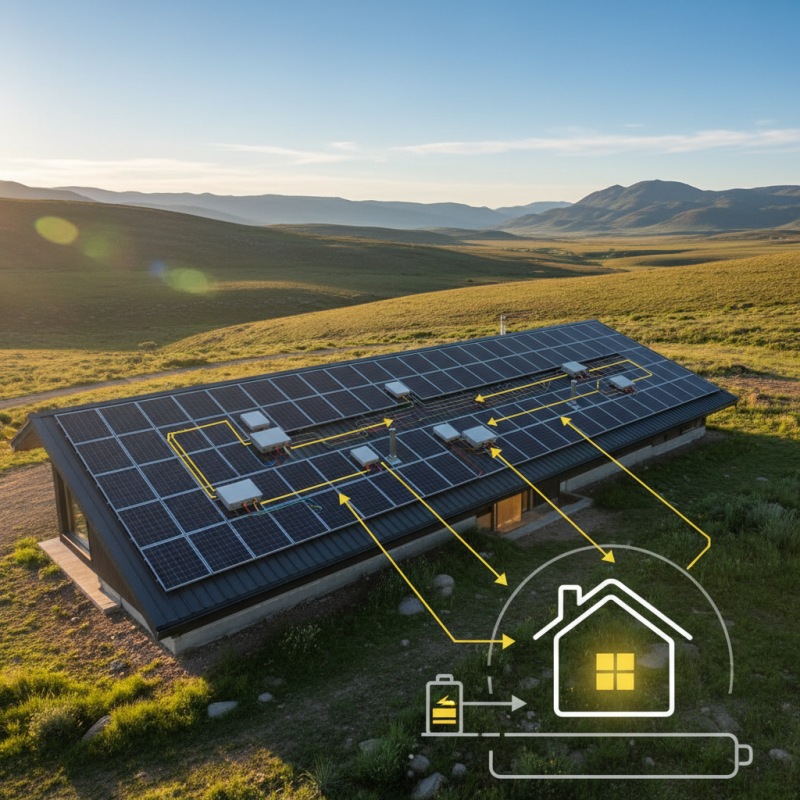
Microinverters convert solar energy at each panel, maximizing power output. They work well in shaded areas, ensuring optimal performance. Additionally, they allow for easier system expansion. Homeowners can add more panels as needed. This adaptability is crucial in a rapidly changing energy landscape.
However, it’s important to reflect on the costs involved. Microinverter systems can be pricier upfront compared to string inverters. Yet, their long-term benefits may outweigh initial expenses. Understanding these factors is essential in making an informed decision.
Benefits of Microinverter Solar Off Grid Systems for Homeowners
Microinverter solar off-grid systems offer numerous advantages for homeowners. These systems convert sunlight into electricity efficiently. Unlike traditional inverters, microinverters work on individual solar panels. This means each panel operates optimally, maximizing energy harvest even in shaded conditions. Homeowners can enjoy reliable power, even when the grid fails. It's a smart choice for those in remote areas.
Another key benefit is the ease of installation. Microinverters are compact and lightweight. They can be mounted directly on solar panels. This setup reduces wiring complexity, saving both time and costs. However, it's important to consider system maintenance and monitoring. Some homeowners find the learning curve challenging. Understanding how to maximize the system's potential requires effort.
Microinverters also enhance system longevity. By allowing each panel to function independently, they minimize the risk of failures affecting the entire system. This results in more consistent energy production. Yet, initial costs can be higher than traditional systems. Homeowners must weigh these factors carefully. Making an informed decision ensures long-term satisfaction and optimal energy independence.
How Microinverters Work in Solar Energy Conversion
Microinverters play a crucial role in converting sunlight into usable electricity. Unlike string inverters, they work on a one-to-one basis with solar panels. This means each panel operates independently. If one panel is shaded, the others continue producing power. This feature maximizes efficiency.
In a microinverter system, direct current (DC) generated by the panels is converted into alternating current (AC) right at the source. This reduces energy loss during transmission. It’s a simple yet effective approach to optimize energy production, especially in varied sunlight conditions.
Tips: Consider your roof orientation before installation. South-facing roofs typically generate more energy. Also, think about the potential for shading. Plant growth or nearby structures might block sunlight.
Microinverters can be more expensive upfront. This cost should be weighed against long-term benefits. Some homeowners notice better returns on investment. However, if your energy needs are lower, traditional systems might suffice. It's essential to evaluate your specific circumstances.
Benefits of Microinverter Solar Off Grid Systems
Comparing Microinverter Systems to Traditional Solar Solutions
When it comes to solar energy, the choice between microinverter systems and traditional solar solutions is crucial. Microinverters convert solar energy at each panel, optimizing performance even when some panels are shaded. This can lead to higher energy output, especially in varied sunlight conditions. Traditional systems often use a single inverter, which can lead to energy losses if one panel underperforms.
Cost is a key consideration. Microinverter systems may have higher initial costs, but they can provide long-term savings through increased efficiency. Additionally, maintenance is simpler with microinverters. If one unit fails, only the affected panel stops working. This minimizes downtime and potential losses compared to a centralized system where one failure can halt power generation for the entire array.
However, the installation process for microinverters can be complex. Not all homes may be suited for them. Some homeowners feel overwhelmed by the technology. The electrical setup requires careful planning. Understanding the pros and cons is essential. Making the right choice can transform how you utilize solar energy at home.
Cost Efficiency and Long-Term Savings of Microinverter Systems
Microinverter solar off-grid systems have been gaining attention recently. Their cost efficiency is a key advantage, especially for homeowners. According to a study by the National Renewable Energy Laboratory, microinverter systems can boost energy production by up to 20% compared to traditional systems. This increase translates directly into savings on energy bills.
Long-term savings become even more apparent. While the initial investment may seem high, the durability of microinverters plays a crucial role. They often outlast standard inverters, reducing replacement costs over time. Research indicates that homeowners can expect to save between 15%-30% on energy expenses over a 25-year lifespan. It's worth noting that maintenance is generally minimal, but occasional issues can arise. Regular inspections can help avoid unexpected costs.
Consider the installation process as well. Although microinverter systems may involve higher upfront costs, they often yield better performance in shaded areas, which helps optimize energy capture. A study by the Solar Energy Industries Association revealed that optimizing roof space with these systems can result in an additional 10% energy output. This means homeowners can see returns on their investment faster than they might expect.
Environmental Impact of Choosing Off Grid Solar Solutions
Choosing off-grid solar systems for your home significantly reduces your environmental footprint. These systems rely on renewable energy from the sun, which is abundant and sustainable. By harnessing solar power, you lower your reliance on fossil fuels. This shift helps mitigate climate change and protects local ecosystems.
Microinverter solar systems enhance energy efficiency. They convert solar energy at individual panel levels. This approach minimizes energy loss compared to traditional systems. Plus, microinverters allow for real-time monitoring of each panel's performance. However, the upfront cost may be a barrier for some. It's worth considering long-term savings and environmental benefits.
Creating a sustainable home is not without challenges. You must navigate zoning laws and installation logistics. Some may feel overwhelmed by the technology involved. Still, the rewards of cleaner air and reduced carbon emissions are clear. Transitioning to off-grid solar solutions is a step toward a greener future. It's an investment in your home and the planet.
Why Choose Microinverter Solar Off Grid Systems for Your Home? - Environmental Impact of Choosing Off Grid Solar Solutions
| Parameter | Microinverter Off Grid Solution | Conventional Off Grid Solution |
| Installation Complexity | Moderate | High |
| Efficiency Rate | Up to 95% | Up to 85% |
| Environmental Impact | Lower, utilizes renewable energy | Moderate, depends on additional power sources |
| Battery Compatibility | Flexible | Limited |
| Cost | Higher upfront | Lower upfront, higher maintenance |
| Grid Independence | Complete | Partial |