

TREND FOR

MINIATURIZATION

China Top Fitted Baseball Cap Manufacturers for Global Buyers

For global buyers, choosing a baseball cap manufacturer involves more than comparing prices. China’s suppliers vary in product focus, production capacity, customization options, and quality-control practices. This guide introduces key considerations for evaluating manufacturers of Fitted Baseball Caps, from initial sampling to repeat orders. Small details matter. A crown that holds its shape, a clean seam, and a secure closure can influence comfort and customer satisfaction.

A useful supplier review starts with clear specifications. Buyers should confirm panel construction, fabric weight, sizing, color matching, embroidery or printing methods, and packaging requirements. Ask how samples are approved and how production batches are checked. Requesting photos or inspection records can make discussions more concrete, though these materials should not replace independent verification when an order warrants it. A polished catalog is not proof of consistent production. Look for clear answers, realistic lead times, and written details that match the sample.

This overview is designed to help buyers compare potential partners with practical questions, not unsupported rankings. It can also help teams weigh minimum order quantities, communication, shipping coordination, and after-sales support. The cheapest quote may leave out important costs. And a sample can still differ from bulk production. Careful checks reduce avoidable surprises, but no checklist guarantees a perfect order. Use the guide to identify promising manufacturers, clarify expectations, and decide what evidence you need before committing.
China Top Fitted Baseball Cap Manufacturers for Global Buyers

What Defines a Fitted Baseball Cap and Its Core Components

A fitted baseball cap is made to sit securely without a rear adjustment strap. Its size is usually based on head circumference, but the measurement alone does not guarantee comfort. Crown depth, head shape, and how the wearer prefers the cap to sit can all change the feel. Fit is personal. A well-made cap should feel stable without pressing sharply at the temples.

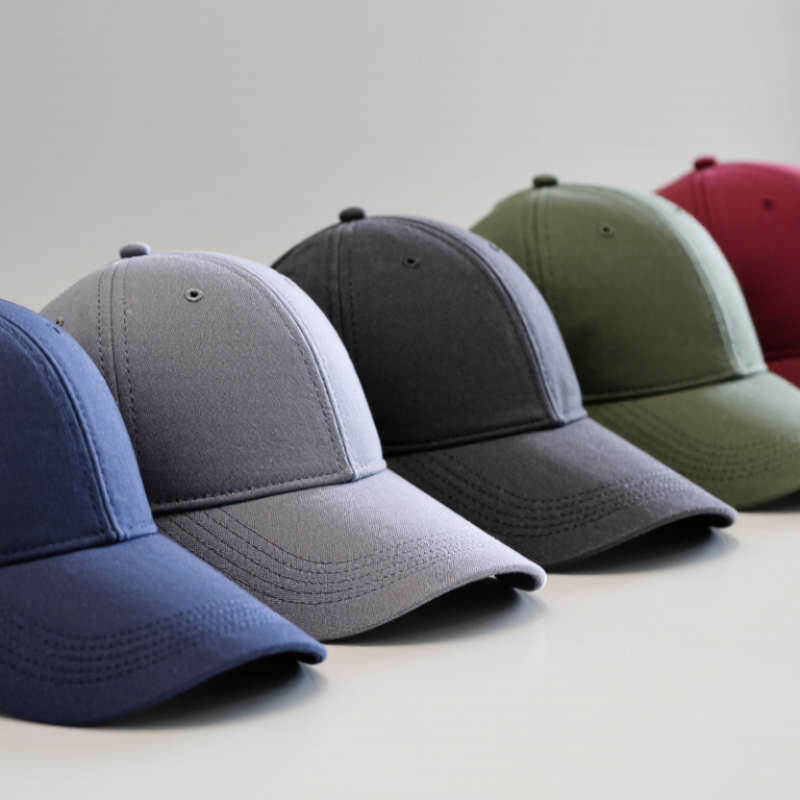
Its core components work together. The crown is formed from fabric panels, often reinforced with buckram to help it hold its shape. Stitching joins the panels, while covered eyelets allow some airflow. A curved or flat visor provides shade and contains a stiff insert that helps it keep its form. Inside, the sweatband touches the forehead and absorbs moisture; its softness and seam placement matter during long wear. Small details matter.

For buyers comparing manufacturers, check size grading, seam consistency, visor balance, and material samples across multiple sizes. A cap may look clean on a display form but feel tight after several hours. That gap is easy to overlook. Sizing charts are useful, though they cannot replace wear testing on different head shapes. Asking a supplier how it checks fit and finish can reveal more than a product photo, but no single test captures every wearer’s preference.

How Fitted Cap Manufacturers Develop Styles, Sizes, and Materials

Fitted cap manufacturers develop a style from the crown outward. They compare low-, mid-, and high-profile blocks, then adjust panel shape, visor curve, stitching, and closure-free fit. A few millimeters can change how a cap sits above the ears. Size grading should start with measured head circumferences, not a single “one-size” sample. Wear tests across several head shapes can reveal pressure points that a flat measurement chart misses.

Material choices affect both fit and durability. Textile Exchange’s Materials Market Report 2024 estimates global fiber production reached 124 million tonnes in 2023 and may rise to 160 million tonnes by 2030. For cap development, that scale makes fiber origin and material performance worth checking together. Cotton twill feels familiar, while polyester blends can help retain shape and dry faster. Manufacturers should test shrinkage, colorfastness, sweatband comfort, and embroidery puckering on finished samples. A fabric swatch alone is not enough.

Tips: Ask for a size chart with actual circumference measurements, plus samples in at least two sizes. Wear each sample for an hour and note forehead pressure, crown collapse, and visor balance. Even a tidy spec sheet can miss real-world fit. Do not assume a successful first sample is ready for production.

How to Evaluate China-Based Fitted Cap Manufacturers

A fitted cap depends on more than a clean silhouette. When evaluating a China-based manufacturer, ask how it develops patterns across the size range. Check crown depth, panel shape, and sweatband comfort on more than one head size. Fit is unforgiving. A sample that feels secure in one size may pinch or shift in another. Request a size chart with measured tolerances, then compare it with the physical sample.

Look closely at materials and construction. Ask for fabric specifications, lining details, and the expected shrinkage after washing. Inspect seam alignment, embroidery backing, eyelet finish, and stitching around the brim. Ask how the factory checks these details during production, not only before shipment. Request a pre-production sample and agree in writing on which features must match. Ask for evidence. A polished sample can still hide inconsistent bulk production.

Reliable communication matters too. See how clearly the manufacturer answers questions about capacity, lead time, minimum order quantities, and rework procedures. A video walkthrough can help, but it cannot replace clear records or independent inspection when the order warrants it. Compare written quotations line by line, including packaging and sample charges. No checklist catches everything. Even careful buyers may discover a fit issue only after wear testing, so allow time for revisions before approving a large run.

How Global Buyers Manage Sampling, Production, and Quality Control

Global buyers manage fitted-cap sampling best with a clear measurement sheet. Specify the head circumference, crown height, panel shape, brim curve, fabric, and closure-free fit. Include a physical reference if possible. Small differences matter.

Ask the factory to record measurements in centimeters and identify the points used. During sampling, check the cap on more than one head size. A sample may look balanced on a table but feel tight at the temples. Not every first sample works. Send marked photos and specific revision notes, rather than “make it better.” Still, brim shape can be hard to judge in a photo.

Before bulk production, approve the fabric color, embroidery placement, seam finish, and sweatband. Keep one signed sample as the production reference. Request progress updates at fabric cutting, sewing, and finishing stages. For quality checks, buyers can define acceptable measurement tolerances and inspect a random selection from completed goods. Check panel alignment, loose threads, brim symmetry, and color consistency under neutral light. If defects appear, record quantities and photos before discussing rework. Clear records help both sides trace issues. They do not prevent every mistake, but they make corrections less vague.

China Top Fitted Baseball Cap Manufacturers for Global Buyers

How global buyers manage sampling, production, and quality control

These indicative planning ranges are not measured industry averages. Actual lead times depend on cap complexity, material availability, order quantity, approval speed, and factory capacity. Confirm the schedule and inspection criteria with the supplier before placing an order.

What to Consider in Compliance, Shipping, and Long-Term Supplier Partnerships

When evaluating fitted baseball cap manufacturers in China, treat compliance as a working process, not a certificate on a sales page. Ask for current material specifications, production records, and test reports matching the exact fabric, lining, sweatband, and trim you plan to order. Requirements vary by destination and product details, so confirm applicable labeling and product-safety rules with a qualified local adviser. Small details matter. A replacement sweatband can change the material declaration.

Shipping plans deserve the same scrutiny. Request carton dimensions, gross weight, packing photos, and a realistic ready date before approving a purchase order. For fitted caps, crushed crowns and damp cartons can create costly rejects; ask how each cap is supported and protected during transit. Compare freight options using the same delivery terms, and clarify who prepares export documents, books transport, and handles import charges. Build in a buffer. Port schedules can shift.

A durable supplier partnership grows from precise, repeatable communication. Keep an approved size chart, color references, embroidery placement, packaging instructions, and tolerance limits in one dated specification. Confirm changes in writing, then inspect a pre-production sample and shipment samples against it. Track defect rates and response times over several orders, not just the first quote. No process is flawless. If a factory misses a detail, assess its corrective action and whether the issue returns. Price matters, but predictable quality and candid updates can protect a product launch.