

TREND FOR

MINIATURIZATION

China Best Inflatable Air Dancer Manufacturer?

Choosing the best inflatable air dancer manufacturer in China takes more than comparing catalog photos and prices. A reliable supplier should explain how it builds each unit, what materials it uses, and how it checks finished products. Ask for clear details on fabric weight, seam construction, blower specifications, printing, and the stability of the base. These features affect how the display looks and performs during everyday use.

Look for evidence, not broad promises. Request recent product photos, a sample video, written specifications, and information about quality checks before shipment. A practical test is to compare the sample with the approved artwork and measurements. Check that the print is legible, the seams appear even, and the blower fits securely. Details matter. A polished catalog can still hide a weak seam; photos alone are not proof.

The right manufacturer should answer questions clearly and describe what it can and cannot customize. Confirm production timing, packaging dimensions, replacement-part availability, and how defects are handled. These details can prevent avoidable surprises, especially when ordering several units. Still, no single supplier is best for every buyer. Budget, design complexity, order size, and support needs all change the decision. A lower quote may be useful, but only when the specifications match. Compare the same requirements across suppliers, keep the agreement in writing, and allow time to review a sample. Not every detail will be perfect. Careful checks make the choice more dependable.
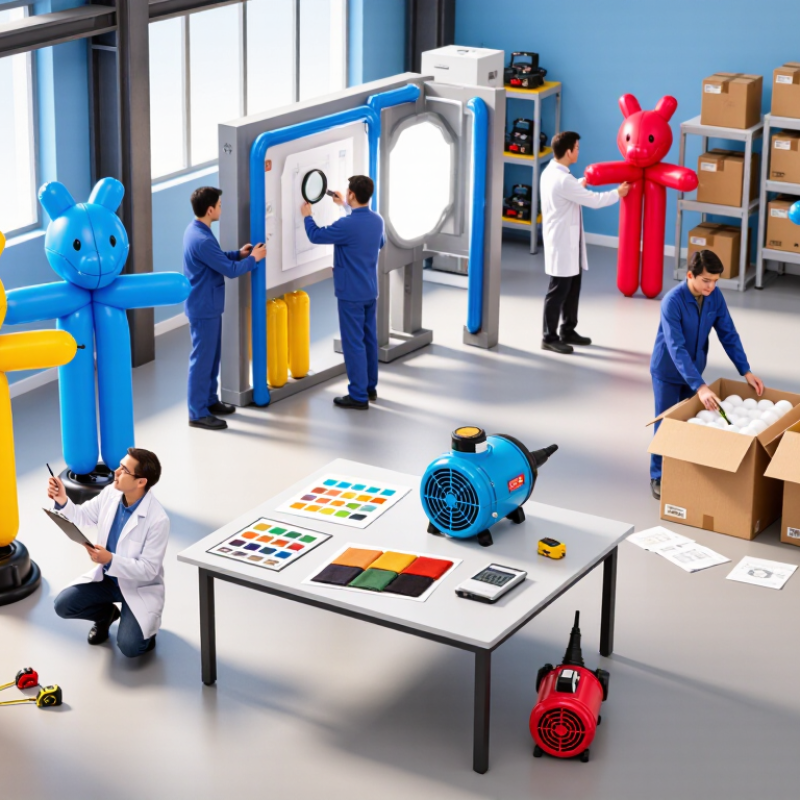
China Best Inflatable Air Dancer Manufacturer?

What Defines a Leading Inflatable Air Dancer Manufacturer in China?

What Defines a Leading Inflatable Air Dancer Manufacturer in China?

A leading manufacturer makes performance measurable, not just a sample attractive. Ask for fabric specifications, blower details, seam-test results, and print durability checks. The ISO Survey 2022 reported 1,265,216 valid ISO 9001 certificates worldwide. This figure does not prove product quality, but it shows how widely documented quality systems are used. A certificate matters only when factory records connect it to actual production.

Look closely at construction. Reinforced seams should feel even, without loose threads or puckered corners. A finished dancer should inflate consistently, stand upright, and keep its printed design readable in moving air. ASTM D5034 and ASTM D751 provide recognized methods for evaluating textile strength and coated fabrics. Ask which tests the supplier uses, and request dated results for the actual material. A polished showroom sample is not enough.

Experience shows up in small details: clear packing instructions, spare-part guidance, and practical answers about repair. Ask how the team checks blower fit and inspects each unit before packing. Then compare the written specification with a production sample. Gaps happen. That is worth admitting. A capable supplier explains what failed, what changed, and what still needs testing. If answers stay vague, keep asking.

What Defines a Leading Inflatable Air Dancer Manufacturer in China?

Suggested buyer evaluation weighting for comparing manufacturers

Use this suggested 100-point rubric to assess product construction, blower reliability, safety and weather resistance, customization, quality control, and service. The percentages are recommended evaluation weights, not measured market statistics or ratings of specific companies.

How Air Dancers Are Designed and Manufactured

How Air Dancers Are Designed and Manufactured

An air dancer starts with a simple question: where will it stand, and what should it do? Its height, shape, and printed artwork affect how it catches the wind. Designers create a pattern from durable, lightweight fabric, leaving room for airflow and movement. Small details matter. The fabric must be light enough to wave, yet strong enough to handle repeated inflation. Seams are usually reinforced at high-stress points, such as the base and arm openings. A poorly placed seam can shorten the product’s working life.

During assembly, workers cut the fabric panels, align them, and sew them together. A fan is fitted to the lower opening, where steady airflow keeps the figure upright and moving. The fan’s output must match the design; too little air can cause sagging, while excessive airflow may strain the fabric. Then comes testing. A finished unit is inflated to check for leaks, uneven movement, and loose stitching. It helps to test it outdoors, too, because real wind can behave differently from indoor airflow. Even a careful prototype may lean or twist. That is useful feedback, not a detail to ignore. Adjustments to the pattern, seams, or airflow can improve stability before production.

Which Materials and Features Affect Performance?

An inflatable air dancer’s movement starts with its fabric and blower working together. Lightweight polyester lets air fill the figure quickly, while a tighter weave can resist abrasion from repeated handling. Coatings may improve resistance to light rain and sunlight, but they do not make fabric indestructible. Check the fabric weight and seam finish against the expected use, not just the product photos. Small details matter.

Reinforced stitching around the base, sleeves, and blower opening helps manage constant tension. A wide, stable base can reduce tipping, while properly sized vents keep airflow moving through the figure. The blower must match the dancer’s height and shape; too little airflow can leave arms drooping, while excessive airflow may strain seams. Ask for operating guidance and inspect a sample under inflation if possible. I would not judge performance from a brief showroom display alone.

For outdoor use, consider UV exposure, wind, and moisture together. A water-resistant surface can help in a drizzle, yet pooled water and gusts still create risks. Look for accessible repair points, replaceable blower components, and clear instructions for drying and storage. These features affect service life as much as appearance. One uncertainty remains: actual wear depends heavily on setup and handling, so even good materials need sensible care.

China Best Inflatable Air Dancer Manufacturer? - Which Materials and Features Affect Performance?

Dimension Common Options or Features Effect on Performance What to Check
Main fabric Polyester, often with a polyurethane (PU) coating; some designs use woven nylon or polyester fabrics. Fabric strength, weight, flexibility, and coating influence durability, portability, and how well the body holds its shape. Ask for fabric specifications and intended-use guidance. The best choice depends on size, wind exposure, and how frequently the unit will be used.
Fabric construction Plain weave, Oxford-style weave, or ripstop construction. Tighter or reinforced constructions can help resist tearing, while a lighter fabric may reduce packed weight and airflow demand. Check whether the fabric is appropriate for repeated setup and outdoor use; no weave makes an inflatable immune to punctures or abrasion.
Coating and finish PU coating or another specified finish; UV-resistant and water-repellent treatments may be available. A coating can affect air retention, water resistance, flexibility, and resistance to sunlight-related fading or material degradation. Request details about the finish and its care requirements. Water-repellent fabric does not necessarily make the entire product waterproof.
Seams and stitching Reinforced stitching at high-stress areas, clean seam finishing, and suitable seam construction. Seam quality helps the body withstand repeated movement and pressure from airflow. Weak or damaged seams can cause leaks or tears. Inspect the base, blower connection, arm openings, and other attachment points for consistent stitching and reinforcement.
Blower airflow A blower matched to the dancer’s height, fabric, openings, and intended operating conditions. Adequate airflow keeps the figure inflated and supports its movement. Too little airflow can cause poor inflation; excessive or mismatched airflow can waste energy and strain components. Confirm the recommended blower specifications and electrical requirements for the exact model rather than comparing blower power alone.
Air openings and fit Inlet sleeve, outlet openings, and body dimensions designed to work with the selected blower. Opening size and placement affect airflow through the figure, inflation stability, and the way the arms and body move. Check that the blower connection fits securely and that openings are not blocked during setup or operation.
Base and anchoring Stable base design, tie-down points, and suitable stakes or ballast for the installation surface. A properly secured base helps limit tipping or movement. Outdoor wind can create substantial forces on a tall inflatable. Use the supplied or specified anchoring method, follow the operating instructions, and take the inflatable down in unsuitable wind or weather.
Electrical protection Blower with appropriate electrical rating, protected connections, and outdoor-rated equipment where required. Correct electrical compatibility supports reliable operation and reduces avoidable equipment and safety risks. Verify voltage, frequency, plug type, and applicable local safety requirements before use.
Print and color Printed or colored fabric, with print method and finish specified for the intended application. Print quality affects visibility and appearance. Sunlight and repeated handling can influence color over time. Review a color proof and ask how to clean and store the fabric to help preserve its appearance.
Maintenance and storage Drying before packing, inspection for damage, and storage in a clean, dry place. Routine care can reduce mildew, material deterioration, and damage that may affect future inflation and appearance. Follow the care instructions, check fabric and seams regularly, and repair damage before continued use.

Performance depends on the complete setup, including fabric, construction, blower, anchoring, and operating conditions. Always follow the product’s installation and safety instructions.

How Manufacturers Ensure Quality, Safety, and Durability

China Best Inflatable Air Dancer Manufacturer?

A dependable air dancer starts with fabric suited to repeated outdoor use. Manufacturers can check material weight, coating consistency, and color before cutting panels. Small details matter. Uneven seams may leak air or pull apart when the figure moves in strong gusts. Stitching should be consistent, with reinforced stress points around the base and attachment areas.

Quality checks should continue after assembly. A practical test runs the dancer with its intended blower and checks for stable inflation, smooth movement, and unusual vibration. Inspectors can also examine wiring, plugs, and strain relief for visible damage. Not always obvious. A blower that is too weak may leave the figure limp, while a poor fit can strain the fabric. Clear instructions should explain setup, anchoring, and safe shutdown.

Durability also depends on where and how the product is used. Sunlight can fade colors, and sharp surfaces can damage fabric, even when construction is solid. Manufacturers can test samples through repeated inflation cycles and inspect seams afterward. These tests help, but they cannot reproduce every weather condition. No fabric lasts forever. Honest product guidance should state care needs and realistic limits, rather than promise an air dancer will remain flawless.

How to Evaluate and Choose a Chinese Supplier

Choosing a Chinese inflatable air dancer supplier takes more than comparing quoted prices. Ask for close-up photos of seam stitching, fabric thickness, and printed colors under natural light. Request a sample or a live production video showing the blower running. Details matter. A clear quote should specify dimensions, fabric, artwork, blower details, packaging, and production time.

Evaluate how the supplier handles quality checks. Ask whether each unit is inflated and inspected before packing, and request a written checklist or inspection photos. Compare the sample with the final production artwork, especially around seams where graphics can shift. For custom designs, confirm which file formats and color references the factory can use. Do not assume a polished sample guarantees consistent bulk production.

Discuss operating conditions before placing an order. Share the intended display environment, and ask about suitable blower capacity and anchoring points. Request relevant electrical specifications and test documents for your destination market, then have a qualified person review them. Check how units are folded and protected in transit; creased print or damp fabric can create avoidable problems. One easy mistake is focusing on unit price while overlooking replacement parts and response times. Ask for those terms in writing, even if the conversation feels straightforward.