

TREND FOR

MINIATURIZATION

What Is a Bracelet Fitness Tracker and How Does It Work?

A Bracelet Fitness Tracker is a small health companion worn against the wrist. It records movement, heart rate, sleep patterns, and sometimes blood oxygen levels. Tiny sensors collect signals while you walk, rest, or climb stairs. An accelerometer detects motion. Optical sensors estimate pulse through reflected light. Algorithms then turn these signals into steps, calories, sleep stages, and training trends.

The market is growing quickly. IDC reported 537.7 million wearable devices shipped worldwide in 2024. The American College of Sports Medicine also ranked wearable technology as the leading fitness trend in its Worldwide Survey of Fitness Trends 2025. These figures show strong consumer interest. They do not prove that every device is equally accurate. That distinction matters.

Stanford professor Michael Snyder has stated, “Wearable devices can provide a continuous stream of data about a person’s health.” His observation explains the main value of a Bracelet Fitness Tracker: repeated measurements can reveal personal patterns. A rising resting heart rate may suggest stress, poor sleep, or illness. It is a clue, not a diagnosis.

The device works through a simple cycle. Sensors capture data. Software interprets it. A mobile app displays the result. Bluetooth usually connects the tracker to a phone, while cloud services store longer records. A quiet vibration may remind you to move.

Still, the technology has limits. Loose straps, darker tattoos, skin temperature, and irregular movement can affect readings. Sleep scores may also feel precise while remaining partly estimated. The most useful tracker is not always the most expensive one. It is the device you wear consistently and question thoughtfully.
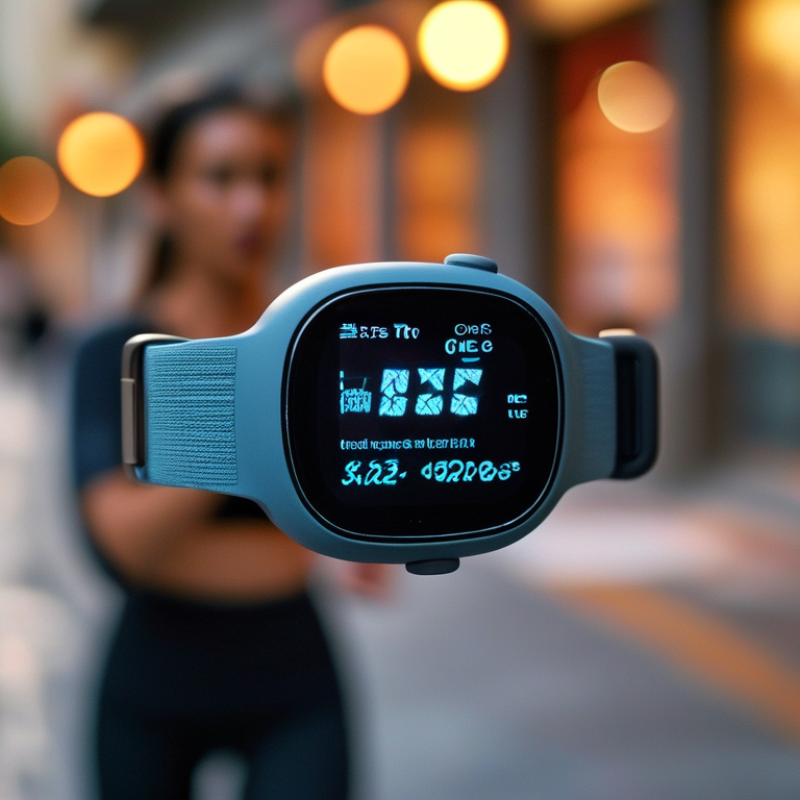
What Is a Bracelet Fitness Tracker and How Does It Work?

What Is a Bracelet Fitness Tracker?

A bracelet fitness tracker is a small wrist-worn device that records everyday movement. It usually contains an accelerometer, optical heart-rate sensor, and sometimes a gyroscope. These sensors detect steps, exercise motion, resting pulse, and sleep patterns. The device sends measurements to a mobile application through wireless connectivity. Its screen may show progress, but the application usually provides deeper analysis.

The market reflects strong interest in personal health data. According to IDC’s Worldwide Quarterly Wearable Device Tracker, 537.6 million wearable devices shipped globally in 2024. That figure includes smartwatches and hearables, so it does not measure bracelets alone. Still, it shows how common wearable monitoring has become.

A bracelet can also support realistic activity goals. The World Health Organization recommends 150 to 300 minutes of moderate physical activity weekly.

Accuracy deserves caution. Optical sensors may struggle during intense exercise, loose fitting, darker conditions, or sudden wrist movement. Sleep scores are estimates, not clinical diagnoses. I find the reminders useful, but the numbers can become distracting. A tracker may label a short walk as exercise while missing emotional stress entirely. Algorithms also interpret bodies differently. Users should check trends over several days, not react to one unusual reading. These devices are practical behavior tools, but they are not replacements for professional medical assessment.

How Bracelet Fitness Trackers Monitor Body Activity

A bracelet fitness tracker is a wrist-worn device that estimates movement, pulse, sleep, and exercise intensity. Its main tools are an accelerometer, gyroscope, and optical heart-rate sensor. The accelerometer detects changes in speed, while the gyroscope recognizes wrist rotation and direction. A green light shines into the skin. Photodiodes then estimate blood-volume changes with each heartbeat.

The device converts these signals into practical measures. Repeated arm movements may become step counts. Faster pulse patterns can indicate moderate or vigorous activity. Algorithms combine motion, heart rate, age, height, and weight to estimate calories. The 2024 ACSM Worldwide Survey of Fitness Trends ranked wearable technology among the leading fitness trends. Still, these readings are estimates, not clinical measurements. A loose strap can distort pulse data. Arm movements can also inflate step counts.

The World Health Organization’s Global Status Report on Physical Activity 2022 estimated that 31% of adults worldwide were insufficiently active. This gives trackers a useful role. They can reveal long sitting periods, short walks, or changes in daily movement. A practical check is simple: compare the device with a manual pulse count during exercise. Accuracy may vary between people. Dark tattoos, cooler skin, and irregular movement can interfere with optical sensing. Treat the numbers as behavior clues, not medical proof. That distinction is easy to miss.

What Is a Bracelet Fitness Tracker and How Does It Work? — How Bracelet Fitness Trackers Monitor Body Activity

Activity or Body Signal Typical Sensor or Input How the Tracker Processes the Signal Commonly Reported Information
Steps and Movement Three-axis accelerometer Detects changes in wrist acceleration across multiple directions. Algorithms filter out some non-walking movements and identify repeated motion patterns associated with steps. Step count, movement frequency, distance estimates, and activity trends.
Exercise Intensity Accelerometer, gyroscope, and heart-rate sensor Combines motion patterns with changes in pulse to classify or estimate the intensity of an activity. Results can vary when the tracker cannot clearly identify the exercise type. Active minutes, activity intensity, workout duration, and estimated energy expenditure.
Heart Rate Optical heart-rate sensor using photoplethysmography (PPG) Shines light into the skin and measures changes in reflected light caused by blood-volume changes during each heartbeat. Signal-processing software converts the pattern into a pulse estimate. Current heart rate, resting heart rate, average workout heart rate, and heart-rate zones.
Heart-Rate Variability PPG-derived pulse intervals Analyzes variation in the time interval between successive pulse signals. Motion, loose fit, irregular rhythm, and poor skin contact can reduce measurement quality. Selected heart-rate variability readings and general recovery or stress indicators.
Sleep and Rest Accelerometer and optical heart-rate sensor Estimates periods of stillness and movement and may combine them with pulse patterns and breathing-related changes. These algorithms infer sleep rather than directly measuring brain activity. Estimated sleep duration, sleep schedule, awakenings, and broad sleep-stage estimates.
Calories and Energy Use Motion data, heart rate, and user profile information Uses activity intensity, duration, body measurements, age, and sex supplied in the user profile to estimate energy expenditure. The value is an estimate, not a direct measurement of calories burned. Estimated active calories, total daily energy expenditure, and activity summaries.
Distance and Route Accelerometer and, when available, satellite positioning or connected phone location Estimates distance from steps and stride assumptions, or calculates a route from location data. GPS-based distance generally requires a compatible positioning signal and may consume more battery. Distance traveled, pace, route maps, and speed estimates.
Elevation Change Barometric altimeter, when included Detects changes in air pressure to estimate changes in elevation. Weather and indoor pressure changes can affect the result. Floors climbed, elevation gain, and altitude trends.
Skin Temperature Temperature sensor, when included Measures temperature near the skin and compares readings over time. Results are influenced by room temperature, fit, circulation, and whether the device is worn consistently. Changes in nighttime skin temperature and personal baseline trends.
Blood Oxygen Estimate Multi-wavelength optical sensor, when included Uses reflected light at different wavelengths to estimate the proportion of oxygenated hemoglobin in the blood. Movement and poor contact can produce inaccurate readings. Spot or sleep-related blood oxygen estimates, usually shown as percentages.
Data Transmission Low-power wireless connection and mobile application Stores readings temporarily, then synchronizes them with a paired device. The application organizes raw sensor signals into graphs, summaries, alerts, and long-term trends. Daily dashboards, historical charts, goals, reminders, and notifications.
Measurement Limitations Fit, motion, skin contact, environment, and algorithm quality The tracker applies filtering and estimation rather than clinical-grade analysis. Loose placement, intense movement, tattoos, cold skin, sweat, and device position may affect optical and motion readings. Useful wellness trends, but not a substitute for medical diagnosis or professional testing.

The Main Sensors and Technologies Inside the Device

What Is a Bracelet Fitness Tracker and How Does It Work?

A bracelet fitness tracker uses small sensors to turn body movement into readable health data. An accelerometer detects steps, arm motion, and changes in speed. A gyroscope adds information about wrist position and rotation. Together, these sensors can distinguish walking from waving, although they sometimes misread busy hand movements.

An optical heart-rate sensor shines light into the skin and measures changes in blood flow. Its readings may support pulse tracking during exercise and rest. Some devices also estimate blood oxygen levels through different light wavelengths. Skin temperature sensors can reveal changes over time, but they do not replace a medical thermometer. The results depend on sensor quality, skin contact, movement, and personal physiology.

Some trackers use satellite positioning through a connected phone or built-in location technology. This can record routes, distance, and pace outdoors. Software then combines sensor signals with personal settings, such as age, height, and activity patterns. The calculations are useful estimates, not direct medical measurements. Sweat, loose straps, tattoos, and cold skin can affect performance. Signals get messy. I have found that a snug fit improves readings, but comfort still matters. Sleep data can also look convincing while remaining imperfect, especially after restless nights or unusual routines. Viewing trends over several days is usually more meaningful than trusting one isolated number.

How Fitness Data Is Processed and Displayed

A bracelet fitness tracker is a small wearable that turns body movement into readable fitness information. During a walk, its motion sensor detects repeated arm patterns, while an optical sensor measures changes in blood flow near the skin. The device records these signals continuously or at short intervals. It then sends selected data to a mobile application through a wireless connection.

The processing stage is more complex than it appears. Software filters accidental movements, compares patterns, and estimates steps, distance, heart rate, and sleep periods. A short walk may produce different results if your arm stays still or moves unusually. The tracker may also estimate calories by combining movement data with details such as age, height, and weight. These figures are useful guides, not laboratory measurements. I have found that consistent use matters more than trusting one unusual reading.

On the screen, raw signals become charts, numbers, colors, and daily goals. The application may show heart-rate changes across a workout or display sleep as separate stages. Clear displays help users notice patterns without studying technical data. Still, the presentation can create false confidence. A smooth graph does not guarantee perfect accuracy. Skin contact, loose fitting, exercise type, and software updates can affect results. Users should check trends over several days and question readings that conflict with how they feel. Personal data also deserves care, so privacy settings and storage permissions should be reviewed regularly.

Common Uses, Benefits, and Limitations of Bracelet Trackers

A bracelet fitness tracker is a small wearable that records movement, heart rate, sleep, and sometimes blood oxygen. It uses an accelerometer to detect steps and motion. Optical sensors estimate pulse through changing blood flow beneath the skin. Algorithms then convert these signals into daily numbers. In practice, the screen may show 7,842 steps, a 72-bpm resting pulse, or six hours of sleep. These figures are useful, but they are estimates.

Common uses include setting activity goals, checking exercise intensity, and noticing changes in sleep routines. Pew Research Center reported in 2020 that 21% of U.S. adults regularly wore a smartwatch or fitness tracker. The market is substantial too. IDC’s Worldwide Quarterly Wearable Device Tracker recorded more than 530 million wearable-device shipments globally in 2023. Still, more data does not guarantee better health decisions. Step counts can vary between devices. Sleep stages are especially difficult to measure outside a clinical setting. Trackers may also encourage unhealthy fixation on daily scores. I have found that a missed goal can feel more important than actual energy, pain, or recovery. That deserves reflection.

Tips: Wear the tracker consistently, but compare trends rather than single readings. Check its fit before exercise. Loose contact can distort pulse data. Use medical equipment for diagnosis or treatment decisions. Review privacy settings, because continuous health data can reveal routines, locations, and sleep patterns. WHO recommends 150 minutes of moderate physical activity weekly, but a tracker should support that habit, not replace professional judgment.