

Melasma can look like soft brown shading across the cheeks, forehead, or upper lip. It is more than a surface-level cosmetic concern: sunlight, visible light, hormones, and skin sensitivity may all influence pigmentation. DermNet NZ’s clinical overview reports that prevalence varies widely, from about 1% to 50% across populations. That range matters. A treatment that suits one patient may irritate another, especially when skin is prone to post-inflammatory darkening. A change in pigment is not a diagnosis, either. A qualified dermatologist should assess the pattern and rule out other causes before treatment.
So, which is better in 2026: a nanosecond or picosecond laser? The honest answer is that neither wavelength label guarantees safe, lasting clearance. The American Academy of Dermatology notes that melasma often needs ongoing care, and pigment can return after treatment. Clinical reviews also describe laser outcomes as variable, with recurrence and irritation among the concerns. Short pulses may target pigment differently, but results depend on device settings, skin tone, diagnosis, and the clinician’s experience. Evidence remains limited. That deserves attention.
This guide compares Melasma Nanosecond Picosecond Laser options through the questions patients should ask: What evidence supports each device? What risks apply to my skin? How does laser fit alongside sun protection and topical care? We will distinguish promising findings from proven results, and explain why a cautious test spot may be sensible. It is not a magic switch. A careful plan, realistic expectations, and follow-up matter more than a dramatic before-and-after image.
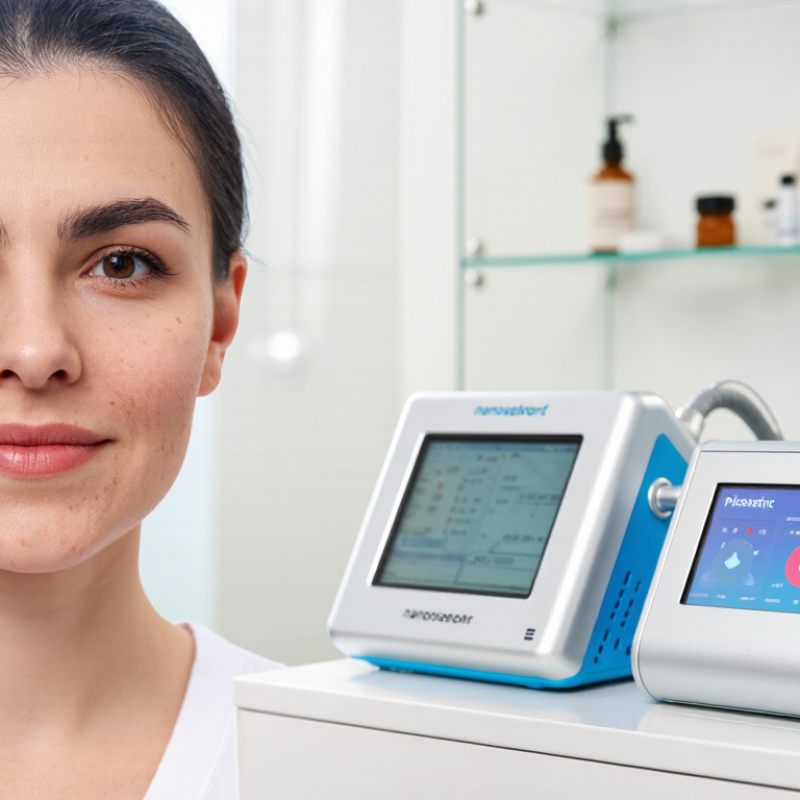
Melasma is a chronic pigment condition that often appears as brown or gray-brown patches on the cheeks, forehead, or upper lip. It can deepen after sun exposure and may be influenced by hormones, heat, and visible light. The pigment sits at different skin depths, so it is not simply a surface stain. It can return.
A clinician should confirm the diagnosis before treatment, since other conditions can look similar. Daily broad-spectrum sunscreen, often with visible-light protection, and appropriate topical care are commonly considered before lasers. Tinted sunscreen containing iron oxides may help limit visible-light exposure. Small steps matter.
Laser treatment may be considered when patches persist, but it is usually an adjunct, not a guaranteed fix. Nanosecond and picosecond devices use different pulse durations; neither is automatically best for every person. Melasma-prone skin can develop irritation, darker marks, or rebound pigmentation after treatment, particularly when settings are too aggressive. A dermatologist can assess skin type, medical history, and prior treatments, then discuss conservative settings, a test spot, and follow-up. One detail is easy to miss: even a technically successful session may be followed by recurrence without consistent light protection.
Nanosecond and picosecond lasers differ mainly in how long each pulse lasts. A nanosecond pulse lasts billionths of a second; a picosecond pulse is shorter still. Both can target pigment, but neither selectively removes melasma without affecting surrounding skin. Pulse duration matters. So do wavelength, energy, spot size, and the person’s skin tone.
A shorter pulse may create a stronger photoacoustic effect, breaking pigment into smaller particles. That does not automatically make picosecond treatment safer or more effective for melasma. Heat and inflammation can worsen discoloration, particularly in deeper skin tones, and melasma may return after treatment. The comparison is not perfectly tidy: studies vary in laser settings, patient groups, and follow-up time. A dermatologist should confirm the diagnosis and weigh laser risks against options such as sun protection and topical therapy. Ask how the clinician will test a small area, monitor changes, and respond if darkening occurs. It is reasonable to be cautious; one session rarely tells the whole story.
2026 Best Laser for Melasma: Nanosecond or Picosecond?
Comparing Their Effectiveness for Melasma
Melasma creates uneven brown or gray-brown patches, often across the cheeks, forehead, or upper lip. Both nanosecond and picosecond lasers target pigment, but neither is automatically the better choice. Picosecond devices deliver shorter pulses; nanosecond devices have a longer track record in pigment treatments. Research has not established one as consistently superior for melasma. Results depend on diagnosis, skin tone, settings, and the clinician’s experience.
Melasma can return, even after visible fading. Heat or irritation from laser treatment may also trigger darker patches, particularly in darker skin tones. Neither is a cure. A dermatologist should confirm the diagnosis and discuss options such as sun protection and topical treatment before considering a laser. If treatment is appropriate, conservative settings and follow-up checks can help manage risk. Some days, the mirror tells a less tidy story than a treatment chart.
Tips: Use broad-spectrum SPF 30 or higher daily, and reapply outdoors. Ask about test spots, expected downtime, and what to do if pigmentation darkens. Don’t rush into repeat sessions.
Pulse-duration classes shown on a logarithmic scale, in nanoseconds
Picosecond pulses are shorter by definition, but pulse duration alone does not establish which laser is more effective for melasma. Outcomes depend on factors such as wavelength, treatment settings, skin type, and protocol; neither category is universally proven superior. The bars show unit-based pulse-duration ranges, not clinical outcome data.
Nanosecond and picosecond lasers can lighten melasma, but neither guarantees lasting clearance. Melasma often combines surface and deeper pigment, and heat or inflammation may trigger post-inflammatory darkening. Some patients develop patchy light spots, burns, or rebound pigmentation. The risk rises when treatment is too aggressive or sessions are too frequent. Sensitive cheeks may react differently from the forehead. That matters.
Results depend on diagnosis, skin tone, pigment depth, laser settings, and ongoing ultraviolet and visible-light exposure. Pregnancy, hormonal changes, and heat can also encourage recurrence. A Cochrane review of 20 trials involving 2,125 people found limited evidence for many melasma treatments, with long-term results poorly documented; those figures cover treatments broadly, not lasers alone. Published laser studies also use varied protocols, making direct comparisons difficult. A careful assessment should include prior reactions and current skin care. Daily tinted, broad-spectrum sunscreen can help reduce light-triggered relapse, but it cannot erase every trigger. Even a well-chosen device may disappoint. Results vary.
For melasma, the best laser is not automatically the newest or fastest. A qualified dermatologist should first confirm the diagnosis, review your skin tone, medical history, and previous treatments, and ask what triggers your patches. Melasma can resemble other pigment conditions. The distinction matters. Nanosecond and picosecond lasers use different pulse durations, but neither is a guaranteed cure. Both may irritate skin, cause temporary darkening, or lead to recurrence, especially without careful settings and sun protection.
A dermatologist can explain whether a laser is appropriate or whether other treatments should come first. The decision depends on your skin and the pattern of pigmentation, not just the device name. Ask about expected benefits, risks, alternatives, and how progress will be measured. A cautious test spot may be worth discussing, though it cannot predict every response. Results can be uneven. That deserves an honest conversation before treatment.
Tips: Bring a list of products and past procedures to your appointment. Ask who will perform the treatment and how they adjust settings for your skin. Discuss downtime, follow-up care, and what to do if pigmentation worsens. Use daily broad-spectrum sunscreen and follow your clinician’s aftercare instructions. A small brown patch near your cheekbone may look simple, but treatment planning should not be.
Key point: Neither pulse duration is universally best for melasma. Lasers are generally considered adjunctive options—not first-line treatment—and can sometimes worsen pigmentation or trigger recurrence. A dermatologist should confirm the diagnosis and weigh treatment against the risk for each skin type.
| Comparison dimension | Nanosecond laser | Picosecond laser | What to discuss with a dermatologist |
|---|---|---|---|
| Pulse duration | Pulses are in the nanosecond range (10⁻⁹ seconds). | Pulses are shorter, in the picosecond range (10⁻¹² seconds). | Pulse duration alone does not establish which option is safer or more effective for melasma. |
| How it may affect pigment | Depending on the device and settings, pigment-targeting treatment may use selective photothermal and photoacoustic effects. | The shorter pulse can produce a stronger photoacoustic component; effects depend on wavelength, spot size, and settings. | Ask how the proposed wavelength and settings are suited to the pigment pattern and your skin tone. |
| Evidence for melasma | Some low-fluence Q-switched approaches have been studied, but results vary and improvement may not last. | Studies report potential benefit in some patients, but evidence does not show that picosecond treatment is universally superior. | Request realistic expectations, the evidence for the exact approach, and a plan for maintenance and recurrence. |
| Potential benefits | May reduce visible pigmentation in carefully selected cases when used conservatively as part of a broader treatment plan. | May be considered for selected cases; a shorter pulse does not guarantee fewer sessions, better results, or less downtime. | Clarify the expected degree of improvement and whether non-laser treatment is more appropriate first. |
| Risks and limitations | Possible risks include post-inflammatory hyperpigmentation, uneven lightening, irritation, and recurrence; repeated treatment can increase concern about mottled hypopigmentation. | Can also cause post-inflammatory hyperpigmentation, irritation, uneven lightening, or recurrence. “Picosecond” does not mean risk-free. | Discuss your history of pigment changes, recent tanning, medications, and how complications would be managed. |
| Skin tone considerations | Darker or easily pigmented skin may be more prone to post-inflammatory color changes; risk depends on treatment parameters and individual factors. | The same caution applies; pulse duration alone does not remove the risk associated with skin tone or inflammation. | Ask whether a test spot is appropriate and how your response will be assessed before broader treatment. |
| Usual place in care | Typically an adjunctive option for selected patients, rather than a substitute for ongoing melasma care. | Also an adjunctive option; suitability depends on diagnosis, prior treatment, and risk tolerance. | Ask whether to begin with broad-spectrum sun protection and dermatologist-guided topical treatment. |
| Prevention and follow-up | Melasma commonly returns, especially with ultraviolet and visible-light exposure. Sun protection and a maintenance plan remain important whether or not a laser is used. | Discuss daily broad-spectrum sunscreen, visible-light protection where appropriate, follow-up timing, and when to stop or modify treatment. | |
Practical takeaway: Choose the treatment plan—not just the pulse category—with a qualified dermatologist experienced in pigment disorders. This table is educational and is not a diagnosis or individualized medical advice.