Top 10 Benefits of Using Red Light Device for Health?
The use of Red Light Devices in health is gaining significant attention. A recent report from the Journal of Photomedicine indicates that red light therapy can reduce inflammation and enhance cellular repair. This is not an isolated finding; experts note substantial benefits for skin rejuvenation and pain management.
Dr. Anna Richards, a leading researcher in this field, states, "Red Light Devices are revolutionizing our approach to healing." This highlights the growing acceptance of these devices in both clinical and home settings. Users are increasingly reporting improvements in skin conditions, joint pain, and overall wellness.
Despite the promising benefits, it’s crucial to approach this technology with caution. Not all products are created equal, and results may vary. Many devices on the market are unregulated, leading to skepticism. A discerning eye is vital for anyone considering this therapy. Understanding how these devices work and their limitations is essential for informed use.
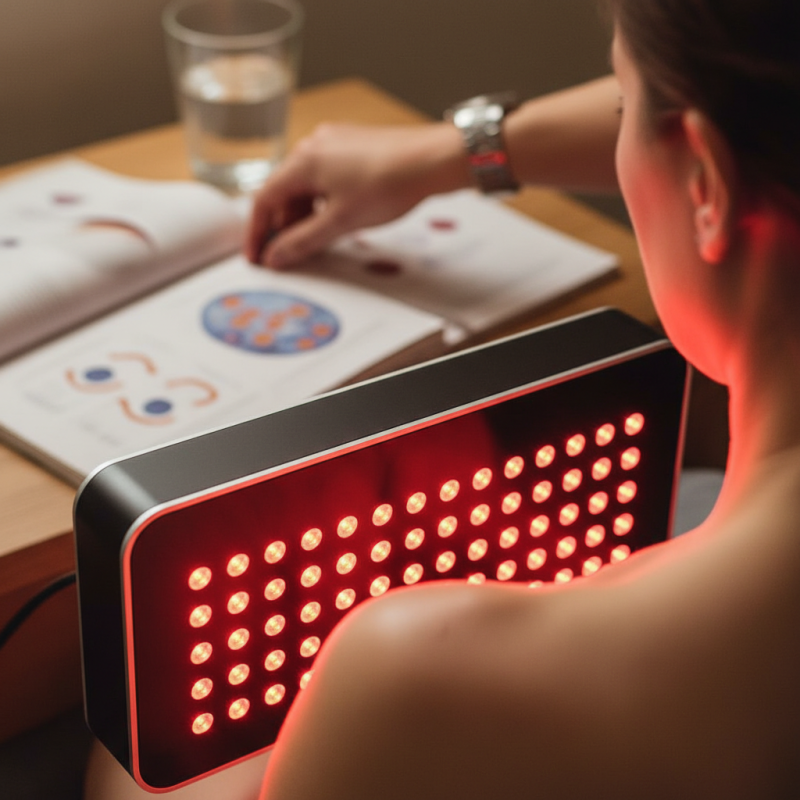
Understanding Red Light Therapy and Its Mechanism of Action
Red light therapy has gained attention for its therapeutic potential. This treatment uses low-level wavelengths of light to stimulate various biological processes. By penetrating the skin, red light targets cellular functions. It can enhance healing and reduce inflammation effectively.
The mechanism involves cellular energy production. Mitochondria, the powerhouse of cells, absorb the light energy. This absorption leads to increased ATP production, fueling cellular repair. Enhanced circulation also occurs as blood flow improves, delivering vital nutrients. Studies suggest that red light can help with skin rejuvenation, pain relief, and muscle recovery.
Despite its promise, individual responses can vary. Some people report significant improvements, while others may notice minimal changes. The therapy is not a magic solution. Consistent use is often necessary to see results. Understanding the science behind red light therapy is crucial for its effective application in health and wellness.
Primary Health Benefits of Using Red Light Devices
Red light therapy is gaining attention for its potential health benefits. Research suggests that it may improve skin health, reduce inflammation, and aid in tissue repair. A study published in the Journal of Photochemistry and Photobiology indicates that red light can enhance collagen production, leading to better skin elasticity.
Using red light devices might also help with muscle recovery. According to findings in the Journal of Athletic Training, athletes reported reduced soreness and faster recovery after using red light therapy. Additionally, red light therapy has shown promise in reducing chronic pain conditions. The Pain Medicine journal highlights its effectiveness in managing pain from conditions like arthritis.
Tips: When using red light devices, start with shorter sessions. Gradually increase exposure to avoid overstimulation. Consistency is key; regular use may maximize benefits. However, be cautious of unrealistic expectations. Results can vary based on individual health conditions and device quality.
Role of Red Light in Skin Rejuvenation and Healing
Red light therapy has gained attention for its role in skin rejuvenation and healing. This technique utilizes low-level wavelengths of light to penetrate the skin effectively. By stimulating cellular processes, it promotes collagen production, which is vital for skin elasticity and firmness. Many users report improvements in skin texture and an overall youthful appearance after consistent use.
Furthermore, red light therapy can aid in wound healing. Studies have shown that it enhances the healing process at a cellular level. It encourages blood circulation, providing essential nutrients to damaged areas. The therapy can also reduce inflammation and redness, making it beneficial for those with acne or rosacea. However, results can vary based on individual skin types and conditions.
While red light therapy shows promise, it’s important to note that everyone may respond differently. Some may experience rapid results, while others might see gradual changes. This variability requires users to approach the therapy with patience and realistic expectations. Additionally, consulting with a healthcare professional before starting any new treatment can ensure a safe and tailored approach to skin care.
Top 10 Benefits of Using Red Light Device for Health
| Benefit | Description |
| Skin Rejuvenation | Stimulates collagen production, improving skin texture and reducing wrinkles. |
| Wound Healing | Enhances cellular repair processes, promoting faster healing of wounds. |
| Reduced Inflammation | Decreases inflammation and pain in muscles and joints. |
| Acne Treatment | Helps reduce acne lesions and hyperpigmentation. |
| Improved Circulation | Enhances blood flow, promoting better delivery of nutrients and oxygen to tissues. |
| Pain Relief | Reduces pain from injuries, chronic pain conditions, and joint issues. |
| Hair Growth | Stimulates hair follicles, promoting hair growth in individuals with hair loss. |
| Mood Enhancement | Improves mood and energy levels by influencing mitochondrial function. |
| Improved Sleep Quality | Helps regulate circadian rhythms, promoting better sleep patterns. |
| Enhanced Recovery | Speeds up recovery from workouts and physical exertion. |
Potential Positive Effects on Muscle Recovery and Performance
Red light therapy is becoming increasingly popular for its potential benefits in muscle recovery and performance. Athletes often seek faster healing times after intense workouts. Red light devices may enhance cellular energy production. This process can lead to more effective repairs and improved muscle growth.
Many users report less soreness after training sessions. Some studies suggest that this therapy can reduce inflammation. It may help speed up recovery, allowing for more frequent workouts. However, not everyone's experience is the same. Some individuals may see limited improvement, which raises questions about its overall effectiveness.
Moreover, access to red light devices can vary. Some may find them too expensive or inconvenient. It's important to consider these factors when evaluating the potential benefits. Understanding personal needs and limitations can guide better decisions. Overall, while red light therapy shows promise, individual results may vary significantly.
Exploring the Safety and Efficacy of Red Light Treatment
Red light therapy has gained attention for its potential health benefits. It involves exposing the skin to red and near-infrared light. This process stimulates cells, promoting healing and reducing inflammation. Studies indicate it aids in wound healing and tissue repair. Severity of conditions varies, making individual responses to treatment significant.
Safety is a key aspect of red light therapy. Generally, it is considered safe and non-invasive. However, not everyone may respond positively to this treatment. Skin type and sensitivity can influence results. Some individuals report minor discomfort or irritation.
Efficacy often depends on usage frequency and duration. Short, infrequent sessions may yield limited benefits. Consistent application over weeks typically produces better outcomes. It's essential to monitor one's own progress and adjust as needed. Personal experiences can guide future use, while ongoing research continues to explore the full potential of this therapy.